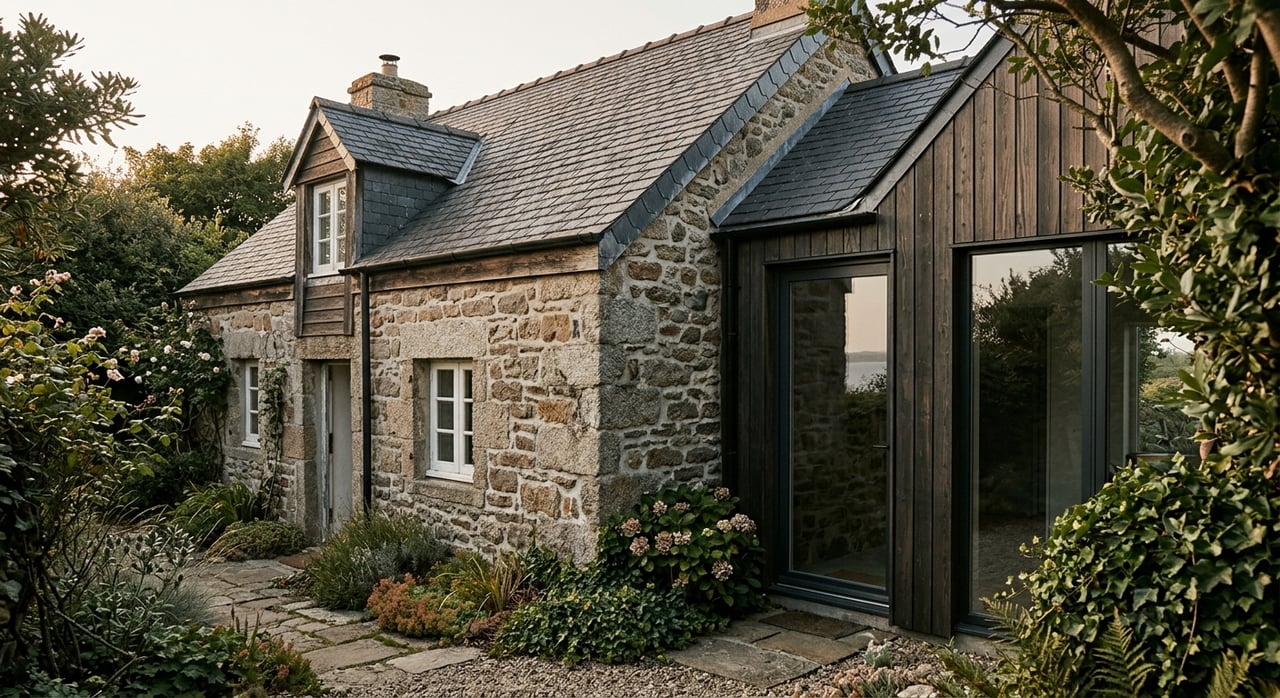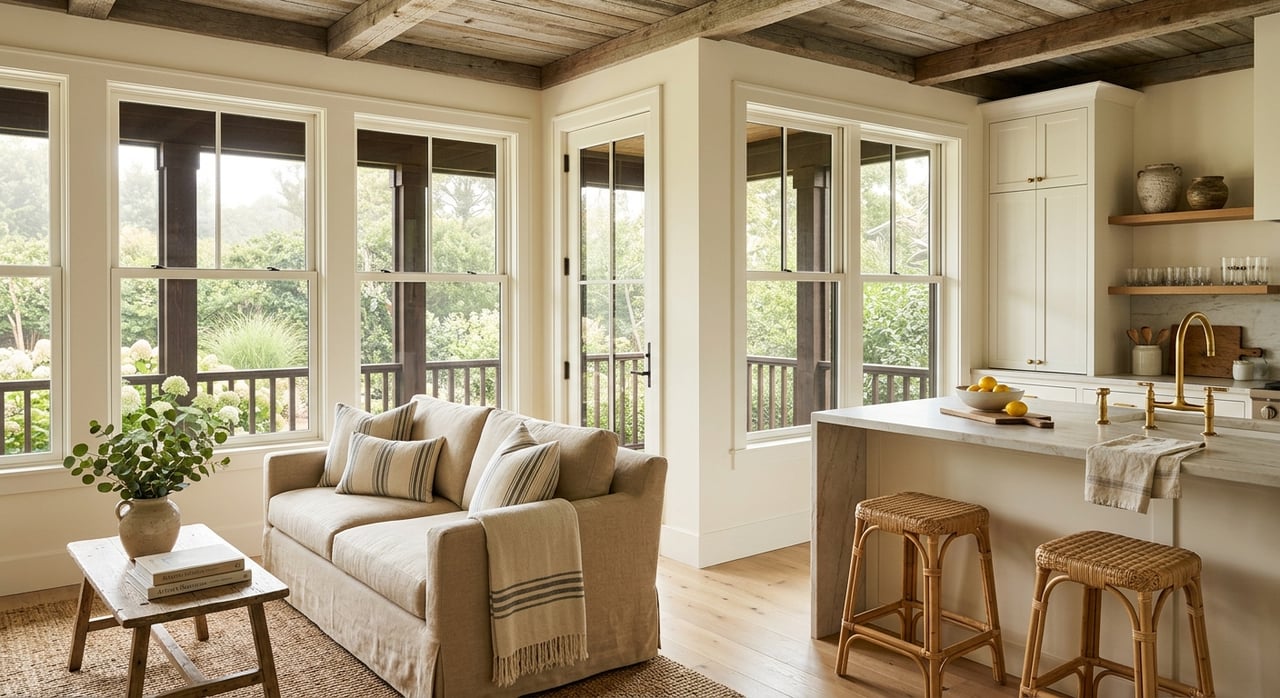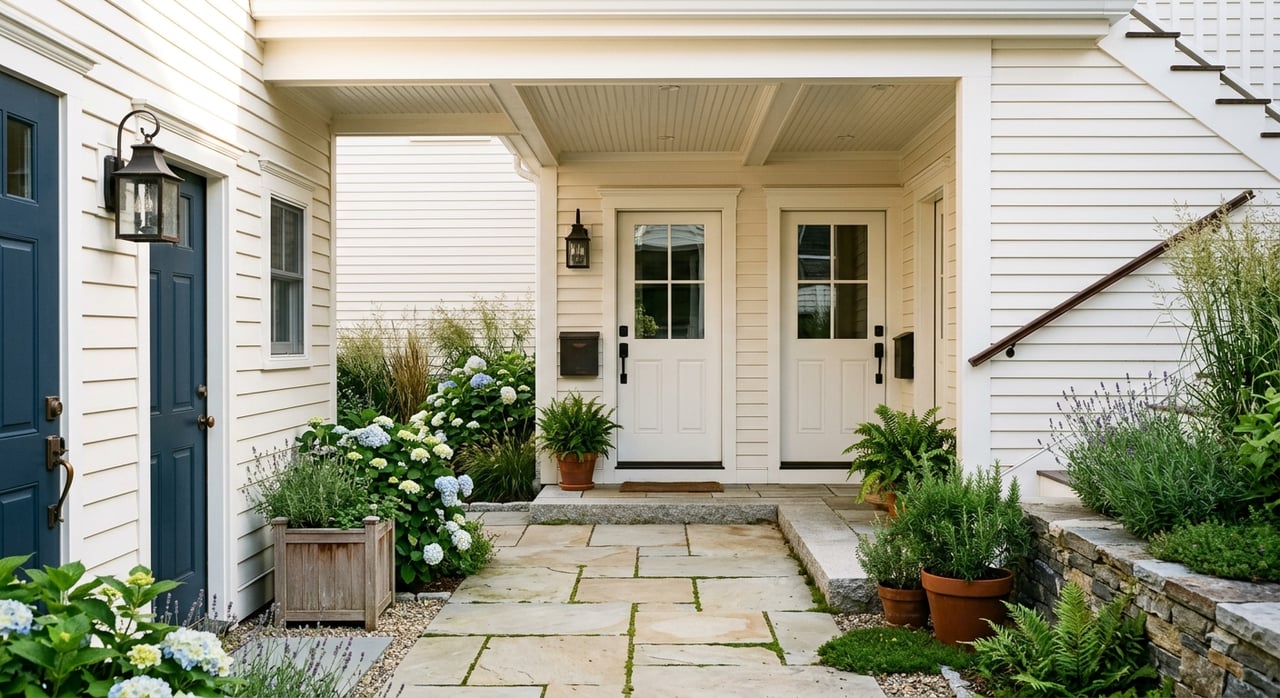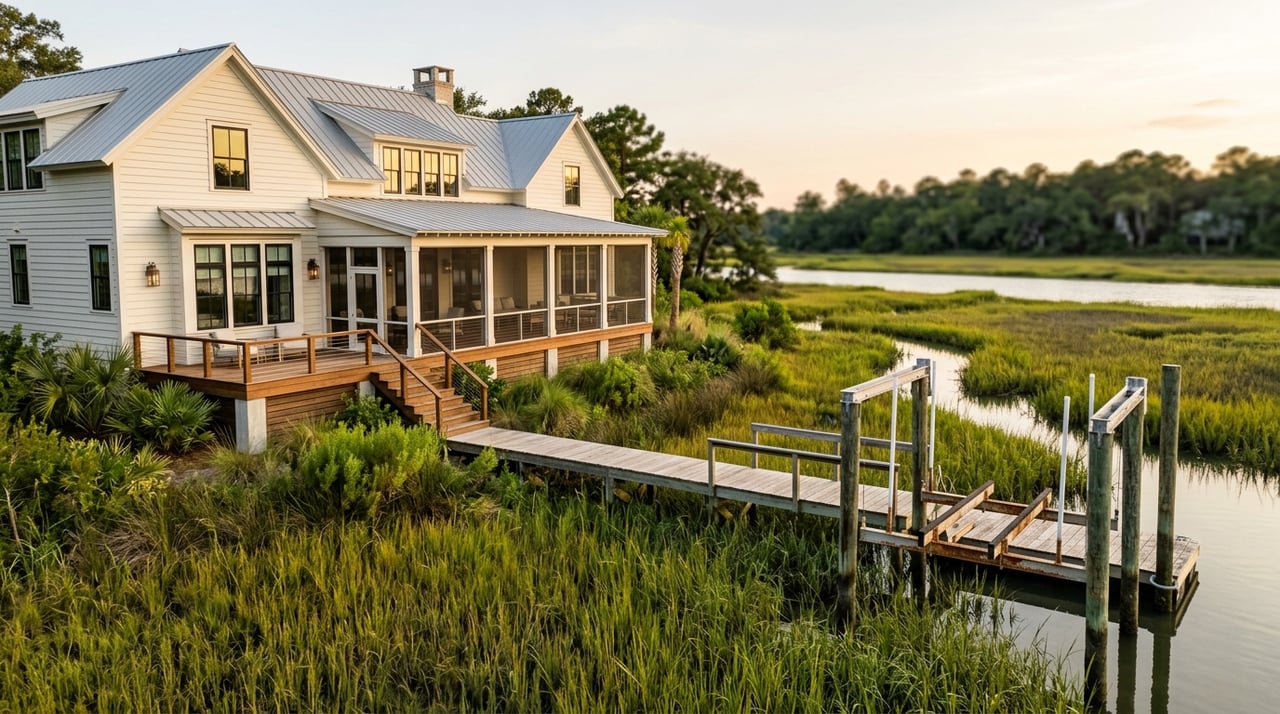
Thinking about a second home on Oak Island but stuck between the ease of a condo and the charm of a cottage? You are not alone. The island’s coastal setting adds layers like wind and flood exposure, insurance, and rental rules that can make the choice feel complex. In this guide, you will compare costs, upkeep, insurance, rental potential, and due diligence steps tailored to Oak Island so you can move forward with clarity. Let’s dive in.
Condo vs cottage: quick overview
- Condos: Typically lower entry price, shared amenities, and exterior maintenance handled by an HOA. Expect HOA dues and possible special assessments.
- Cottages: Detached homes with more privacy and land value. You handle all upkeep, insurance, and storm prep, often with help from local vendors.
- Rentals: Both can perform well in peak season. Cottages may command higher nightly rates, while condos can be easier to manage.
- Risk and insurance: Flood and wind exposure affects both. Elevation, construction, and HOA master policy details matter.
- Decision tip: Compare total monthly carrying costs and realistic rental income scenarios, not just the sticker price.
Costs: purchase and monthly
Condos often provide a lower purchase price compared to similarly located cottages. Your monthly cost includes the mortgage plus HOA dues, which cover building insurance and common-area upkeep, and sometimes shared utilities. Factor in the potential for special assessments that can increase costs in certain years.
Cottages usually have a higher purchase price near the beach and do not have HOA dues unless in a private subdivision. You are responsible for all maintenance and insurance. Over time, exterior upkeep, roof, landscaping, and flood protection add to the budget.
What to include in your total monthly comparison:
- Mortgage and property taxes
- HOA dues or set-aside for maintenance reserves
- Wind/hurricane and flood insurance
- Utilities, internet, and routine services
- Property management fees and cleaning if you plan to rent
Maintenance and management
If you want a low-maintenance experience, condos usually win. HOAs typically handle roof, exterior, landscaping, and structural elements, which simplifies ownership for remote owners. You still maintain your interior, appliances, and any upgrades.
Cottages put you in charge of the entire property. That includes storm prep, yard and exterior care, and repairs to the structure and systems. Many owners hire local property managers, cleaners, and maintenance pros, especially if they plan to rent or will not be nearby.
Amenities and lifestyle
Condos often come with shared conveniences like pools, elevators, trash service, and reserved parking. If you want a turnkey place that you can lock and leave, a condo can fit well.
Cottages give you privacy and space for outdoor living. You may also have more flexibility to personalize or expand, subject to town and county rules. If you prefer a standalone coastal home and value land ownership, a cottage is appealing.
Rental potential and rules
Both condos and cottages can perform well in Oak Island’s peak summer season. Cottages may achieve higher nightly rates, but their operating costs are often higher. Condos can be easier to manage and can attract guests who want onsite amenities.
Before you model income, confirm rules that affect rentals. Many HOAs set minimum stays, require registration, or limit short-term rentals. Town and county offices can provide guidance on any required registration, local occupancy taxes, parking standards, and nuisance rules. Ask local property managers for seasonal calendars and performance estimates so your projections reflect peak and shoulder periods.
Insurance and coastal risk
Oak Island has exposure to hurricanes, storm surge, and tidal flooding. Your insurance costs depend on flood zone, elevation, construction type, and claims history. Flood maps can change, so check the FEMA Flood Map Service Center and consult the town’s planning or floodplain office for the latest information.
For condos, review the HOA’s master policy to see if it is all-in or bare-walls. Most condo owners carry an HO-6 policy for the interior and contents, plus loss assessment coverage that helps with HOA deductibles or special assessments tied to insured events. Ask about the master policy deductible, because large deductibles can be allocated to owners after a claim.
For cottages, expect a homeowner’s policy for the structure and contents, plus a separate flood policy through the NFIP or a private carrier. Elevated construction can affect premiums, and an Elevation Certificate, when available, is valuable for underwriting and pricing.
Financing considerations
Condos may require project approval by your lender, and the HOA’s financials, owner-occupancy levels, and any litigation can influence loan options. Start early with a lender who understands coastal condo lending.
For cottages, second-home mortgages are common if you use the home personally. If you plan to rent extensively, you may need an investment property loan that often requires a higher down payment and has a different rate structure. Ask a local lender to explain down payment needs and how rental plans affect your financing.
Resale and liquidity
Lower entry prices can make condos more liquid for buyers who want a lock-and-leave place. The health of the HOA and its rules can affect resale appeal. Cottages can be sought after for privacy and land value, and they may appreciate differently due to lot scarcity and customization potential. Your exit strategy should reflect how each asset type performs in changing markets.
Oak Island due diligence checklist
Documents to review
- Seller disclosures, survey, title, and any inspection reports
- For condos: HOA bylaws, CC&Rs, budget, reserve study, insurance master policy, meeting minutes, special assessments, rental policy, and delinquency rate
- For cottages: restrictive covenants, permits for renovations, septic records if applicable, and an Elevation Certificate if available
Flood, elevation, and insurance
- Verify the FEMA flood zone for the address and request an Elevation Certificate
- Obtain quotes for homeowner, wind/hurricane, and flood insurance from local agents
- For condos, confirm master policy coverage and deductible, and whether deductibles can be charged to owners
Inspections to prioritize
- Full home inspection for roof, structure, HVAC, plumbing, electrical, and moisture
- For elevated homes: examine pilings, connectors, corrosion, and any flood repair history
- For condos: inspect the unit interior and request recent building maintenance or inspection records
Zoning, permits, and rentals
- Confirm allowed uses, minimum rental periods, registration requirements, and parking limits
- Verify permits for past work to identify any unpermitted improvements
Financial and lending
- For condos: confirm lender approval requirements and the project’s approval status
- Review HOA dues, what they cover, reserve levels, and pending assessments
- Ask for property tax history and any special local assessments
Local management and services
- Get quotes from local property managers and cleaners for rental or caretaking n- Confirm utility providers, trash collection, and internet reliability
Smart questions to ask
- What is included in the price, such as furnishings or parking?
- How many units are in the condo community, and what is the owner-occupancy ratio?
- How often has the HOA levied special assessments, and for what projects?
- Are any capital projects planned that could affect costs or access?
- How have insurance premiums changed in recent years?
- What is the recent rental performance for comparable properties in this location?
How to choose what fits you
Start with your top priority. If you value low-maintenance ownership and amenities, a condo is a strong fit. If privacy, outdoor space, and long-term flexibility matter more, a cottage may be the better match.
Run a two- to three-year budget model for each option. Include mortgage, taxes, HOA or maintenance reserves, insurance, utilities, cleaning, and management. Build conservative rental scenarios for peak and shoulder seasons, including vacancies.
Finally, pressure test insurance and lending early. Insurance availability and cost, plus condo project approval or investment loan terms, can move the numbers more than you expect. A few phone calls now can save time and provide stronger negotiating confidence later.
Your Oak Island plan
Whether you lean condo or cottage, your best move is a structured comparison backed by local data. You will want clear HOA documents or property records, updated flood and insurance information, and realistic rental projections that reflect Oak Island’s seasonality. If you would like a hands-on partner to coordinate due diligence and bring you quotes from local lenders, insurance agents, inspectors, and property managers, reach out to The Waller Team. We help second-home buyers evaluate options with calm, concierge-level guidance so you can buy with confidence.
Ready to map your next steps? Connect with The Waller Team for a tailored Oak Island second-home plan.
FAQs
What drives condo vs cottage costs on Oak Island?
- Total cost depends on purchase price, HOA dues or maintenance reserves, insurance for wind and flood, utilities, taxes, and any rental management fees.
How do flood zones affect insurance and risk?
- Flood zones and elevation influence flood insurance pricing and requirements, so verify the FEMA flood map, obtain an Elevation Certificate if available, and get quotes early.
Do HOAs limit short-term rentals in condos?
- Many HOAs have rules like minimum stays or registration, so review the condo’s governing documents and confirm any restrictions before modeling rental income.
Can cottages earn more as vacation rentals?
- Cottages can command higher nightly rates in peak season, but their operating and maintenance costs are often higher, so net income depends on careful scenario modeling.
What insurance policies do condo owners need?
- Most condo owners carry an HO-6 policy for interior and contents plus loss assessment coverage, while the HOA master policy covers common areas and the building per its terms.
What should I ask before making an offer?
- Ask about recent special assessments, upcoming capital projects, insurance premium trends, rental performance, and what is included in the sale, then review all documents and permits.