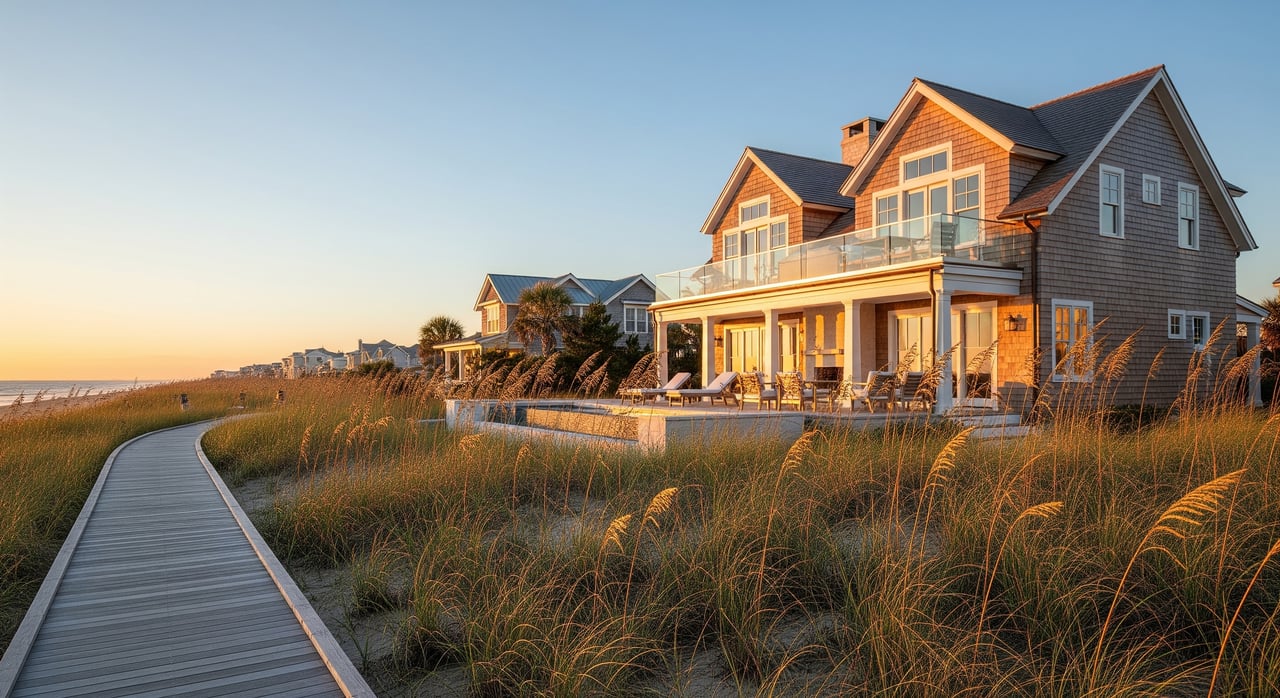
Ever pictured your own place steps from soft sand and calm blue water? If Wrightsville Beach is calling, you are not alone. Many buyers love this small barrier island for its easy access to Wilmington, boating on the Intracoastal Waterway, and a relaxed coastal lifestyle. In this guide, you will learn how to choose the right property type, what drives value here, how to plan for insurance and ownership costs, and what to know about rentals and coastal rules. Let’s dive in.
Why Wrightsville Beach works
Wrightsville Beach sits just east of Wilmington on a compact barrier island with limited land and strong seasonal demand. With few developable lots, most sales are resales rather than new construction, which can support higher pricing compared to nearby inland neighborhoods. The island draws a mix of second-home buyers, retiring owners, and investors who value quick beach access and boating. For local context on services and permits, start with the Town of Wrightsville Beach.
Property types on the island
Condos
Condos offer a lock-and-leave setup with shared amenities like elevators, pools, and covered parking. They can be an easier entry point compared with single-family oceanfront. Many buildings have professional management, which helps if you live out of the area. Weigh HOA rules and the potential for special assessments, and confirm the building’s reserves and insurance.
Townhomes
Townhomes typically provide more space and privacy than condos, along with garages or storage for beach and boating gear. HOAs tend to be smaller than large condo buildings, which can mean different maintenance responsibilities and fee structures. Review how exterior maintenance is handled and confirm flood exposure by elevation. If a property is in a lower-lying area, plan for higher insurance costs and mitigation standards.
Single-family homes
Detached homes deliver the most privacy and control, and some offer private docks or boat lifts. You also get the greatest customization potential and, in prime locations, strong long-term value drivers. Expect higher maintenance and insurance exposure, especially in oceanfront or inlet-facing locations. Rebuilding or major repairs after storm events can carry significant cost.
Boat access properties
Direct water access on the sound, inlet, or Intracoastal Waterway adds a premium for boaters. If a dock or lift matters to you, budget for dock surveys, condition assessments, and ongoing maintenance. Properties near public or private marinas can be a smart alternative. If you plan to pursue a new dock or modifications, check local and state coastal permitting early with the NC Division of Coastal Management.
What drives value here
Beach proximity and views
Direct oceanfront commands the highest price per square foot. Just one or two streets back, values can differ widely based on line-of-sight to the ocean and walkability to beach access points. Water views of the ocean, inlet, or Intracoastal can also move the needle significantly.
Elevation and FEMA flood zones
Elevation and flood zone designation strongly influence insurability and long-term costs. Properties in VE or AE zones often face higher flood and wind premiums and stricter building standards. Before you write an offer, review the property’s zone and request an elevation certificate if available. You can check maps through the FEMA Flood Map Service Center.
Structure and storm resiliency
Age, foundation type, and hurricane-resilient features matter on a barrier island. Look for pile foundations, reinforced framing, and impact-rated windows and doors. These features can help with safety and may influence insurance underwriting and deductibles. Budget for periodic exterior maintenance based on ocean exposure.
Zoning, setbacks, and permitting
Coastal setback rules, floodplain standards, and local permitting can limit additions, dune work, and dock construction. Verify what you can change or build before you buy, especially on tight lots or waterfront parcels. For coastal permits and guidance, consult the NC Division of Coastal Management and confirm any town-specific requirements through the Town of Wrightsville Beach.
Ownership costs to plan for
Taxes and potential assessments
Property taxes vary by parcel. New Hanover County administers property assessments and billing. Ask your agent to pull parcel-level data and confirm any special assessments related to beach nourishment or municipal services. For official tax information, start with the New Hanover County Tax Department.
Insurance on the coast
Most second-home owners carry homeowners insurance, a separate wind policy if needed, and flood insurance through the NFIP or a private carrier. Premiums depend on exact location, elevation, construction, and coverage levels. Plan for percentage-based wind or hurricane deductibles and consider loss-of-use coverage. For consumer guidance and market updates, review the NC Department of Insurance and verify quotes early in due diligence.
HOA dues and reserves
If you buy a condo or townhome, HOA dues typically cover common-area maintenance and building insurance. Healthy reserves are important, especially for coastal buildings exposed to salt and wind. Have your agent obtain HOA financials, recent meeting minutes, and any pending maintenance plans before you finalize your offer.
Maintenance and storm prep
Barrier-island homes need consistent care. Expect routine exterior maintenance, periodic roof and piling inspections, and seasonal storm preparation. Many owners invest in shutters, bracing, and backup power. If you plan to rent, include time and cost for cleanup and potential downtime after severe weather.
Utilities and services
Confirm if the property is on municipal water and sewer and ask about any service limitations during storm events. Utility costs can be higher for coastal properties, and access can be restricted in the aftermath of major storms. Build a local vendor list for rapid response when needed.
Financing for second homes vs investments
Lenders distinguish between a true second home and an investment property based on your occupancy and rental plans. Second-home loans often require a 10 to 20 percent down payment, while investment loans may require more and carry higher rates. Condo financing can involve project approvals and extra underwriting. Decide your intended use up front and align your loan type accordingly.
Short-term rentals and rules
Wrightsville Beach sees peak rental demand from spring through late summer, with higher occupancy around holidays. Actual income depends on your property’s size, condition, proximity to the beach, and amenities. If you plan to rent, consult local property managers for hands-on revenue and expense expectations rather than relying on generic national averages.
Local regulations can include registration, business licensing, occupancy and parking limits, and state and local tax collection. Confirm current rules through the Town of Wrightsville Beach and check county tax requirements through the New Hanover County Tax Department. For federal tax treatment, the IRS vacation home rules and personal-use limits are outlined in IRS Publication 527. Always review details with your tax advisor before making assumptions about deductions or the 14-day rule.
Due diligence and timeline
Pre-offer research
- Review recent comparable sales and inventory with your agent to gauge current market dynamics.
- Request HOA documents and financials for condos and townhomes, including rental policies and reserve studies.
- Verify flood zones, request an elevation certificate if available, and note any recent or pending FEMA map changes.
- If boat access matters, confirm riparian boundaries, dock permits, and any marina waitlists or slip size limits.
Inspections to prioritize
- General home inspection covering structure, roof, HVAC, plumbing, and electrical.
- Coastal-specific checks, including pilings or foundations, bulkheads or seawalls, termite and pest, and mold or insulation.
- For docks and lifts, a marine or dock survey to assess condition and compliance.
- Permit history review for renovations, window upgrades, additions, dune work, and shoreline structures.
Title and insurance checks
- Obtain a title commitment and review easements, beach access rights, and recorded covenants.
- Confirm insurability with likely carriers during your due diligence window.
- If insurability is uncertain, consider adding a financing or insurance contingency.
Closing timeline and remote logistics
- Cash purchases can close quickly after due diligence. Financed purchases typically take 30 to 45 days depending on lender and any condo project approvals.
- For remote closings, coordinate with your agent for mobile notary services, power-of-attorney if needed, funds transfer, and immediate management setup if you plan to rent.
Post-closing steps
- Bind insurance, set up HOA and utilities, and schedule any storm-hardening upgrades.
- If renting, select a local property manager, configure booking platforms, and register for local occupancy taxes if required.
- Build your local service network for routine maintenance and emergency response.
How The Waller Team helps
You deserve a calm, confident process from search through closing and beyond. As a boutique team focused on Wilmington and its barrier islands, we combine deep neighborhood knowledge with concierge-level support for out-of-area buyers. We help you compare property types, analyze flood and elevation data with the right experts, evaluate HOA health, and connect you with trusted insurers, inspectors, property managers, and marine specialists.
Our goal is straightforward. Help you secure the right Wrightsville Beach home at the right terms, then set you up for long-term success as an owner or part-time host. If you are ready to explore, reach out to The Waller Team to start your plan.
FAQs
Do I need flood insurance in Wrightsville Beach?
- If the property is in a FEMA flood zone or your lender requires it, you will likely need flood insurance; check the parcel’s zone and elevation through the FEMA Flood Map Service Center and obtain property-specific quotes.
Can I rent my Wrightsville Beach second home short-term?
- Possibly, but you must confirm current town and county rules, any HOA restrictions, registration and tax requirements, and seasonal limits before you buy.
Are condos harder to finance on the island?
- Sometimes, since many lenders require condo project approvals and may have higher down payment or underwriting standards for certain buildings.
What ownership costs should I expect beyond the mortgage?
- Plan for homeowners, wind, and flood insurance, HOA dues if applicable, routine coastal maintenance and storm prep, property taxes, and potential special assessments.
How long does an out-of-area purchase usually take?
- Expect roughly 30 to 45 days for a financed purchase once under contract, plus time for inspections, insurance quotes, and any condo or dock-related approvals.