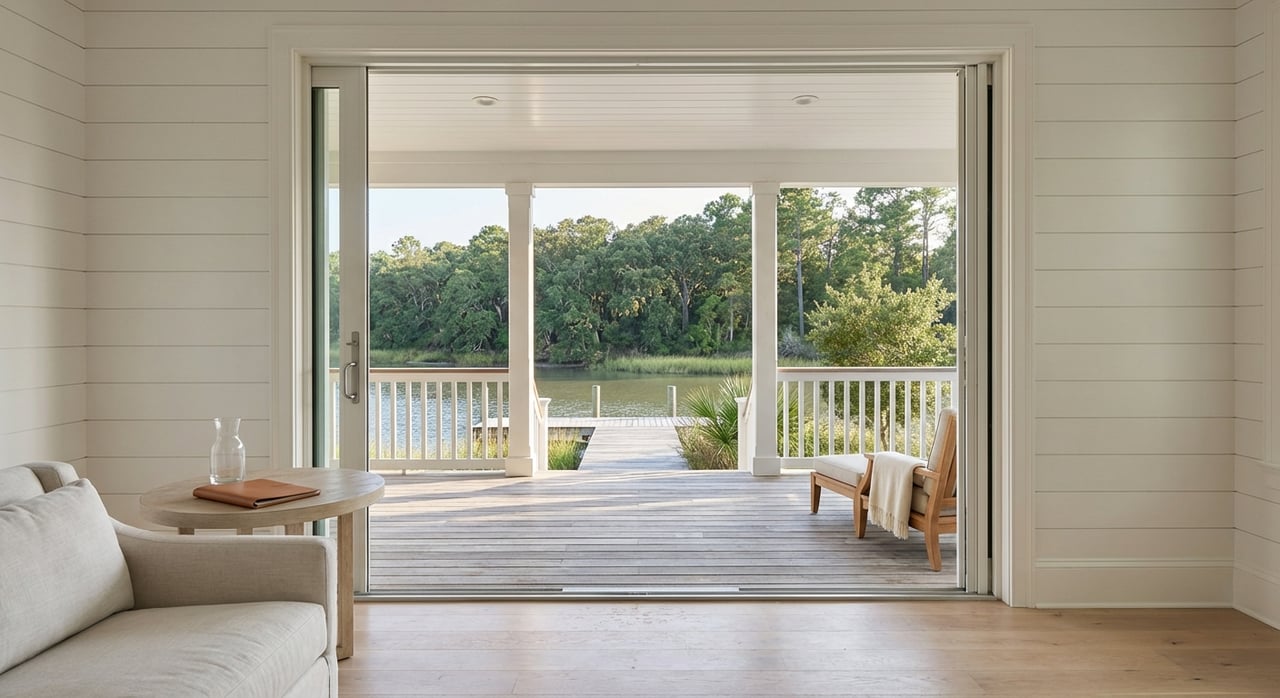
Thinking about selling your Figure Eight Island home but not sure where to start? You want to protect your home’s value, your time, and your privacy while reaching the right buyers. In this guide, you’ll learn how to price smartly in a low‑transaction market, time your launch, prepare and stage for waterfront buyers, and manage HOA, insurance, and closing details with fewer surprises. Let’s dive in.
Why Figure Eight is different
Figure Eight Island is a privately owned, gated barrier island with a guarded causeway and no commercial development. The community is small and exclusive, with roughly 450 to 475 single‑family homes, which keeps inventory tight and privacy high. You can learn more about the island’s setting and access on the official site for Figure Eight Island.
The buyer pool includes affluent second‑home purchasers and high‑profile clients. A recent oceanfront estate known as “The Whale” closed for $13.9 million after a brief marketing window, illustrating both the price ceiling and what can happen when a rare property is positioned correctly to the right audience, as reported by the Wall Street Journal.
Because the island sees relatively few sales, it can be hard to find direct comparables. Pricing and appraisals often rely on a small number of recent high‑end transactions, careful condition and amenity adjustments, and in some cases a replacement‑cost or income approach for investor buyers.
Price right from day one
How pricing works here
Plan to ground your price in three things:
- Recent island and nearby high‑end sales, especially oceanfront transactions that match your property’s position and scale. The Whale’s $13.9 million sale offers a useful benchmark for the upper tier, per the Wall Street Journal.
- Condition and amenities, including oceanfront vs. sound‑side, dock and lift capacity, pool, parking, elevation and construction type, and interior finish level.
- Market positioning, such as primary residence vs. second home and any documented rental revenue history.
Financing and appraisal reality
Most Figure Eight prices exceed conforming loan limits, so many buyers use jumbo financing or pay cash. The national baseline conforming limit for 2025 is $806,500, which places most island homes in the non‑conforming range and can affect the buyer pool, appraisal risk, and timelines. Review the current limit details from the Federal Housing Finance Agency.
Strategy that preserves value
In a low‑supply luxury market, extended days on market can lead to price erosion. Consider a conservative, evidence‑driven list price supported by a detailed valuation memo. A short pre‑market whisper campaign to vetted luxury buyers and agents can help test pricing before full exposure. When a property is aligned with the market and presented well, rapid results are possible, as seen in the high‑profile sale covered by the Wall Street Journal.
Time your launch
Seasonality and hurricane season
Across many markets, late spring can offer an edge for both price and speed. Research shows a late‑May window often performs well, which is why coastal sellers aim to be live by spring and market through early summer. See national seasonality trends from Zillow Research.
Because the Atlantic hurricane season runs from June 1 to November 30, some sellers avoid major marketing pushes or closings at the height of storm risk. Storms can delay insurance underwriting, spook buyers, and slow repairs and closings. For seasonal context, review timing data from the National Hurricane Center.
Prepare the property like a pro
Gather critical documents
Having key documents ready speeds due diligence and builds buyer confidence. Aim to assemble:
- Elevation certificate and FEMA flood‑zone information
- Structural, roof, HVAC, termite, and septic inspections
- Maintenance records for docks, lifts, and bulkheads
- HOA documents: CC&Rs, bylaws, budget, recent minutes, and any assessments
- Insurance history and prior flood or wind claims
- Contractor invoices and engineer letters for hurricane resilience upgrades
Showcase resilience buyers expect
Coastal buyers and underwriters look closely at your home’s ability to withstand storms. Highlight and document:
- Elevated construction and pilings, plus breakaway walls below living space where present
- Impact‑rated windows and doors or professionally installed storm shutters
- Strengthened roof‑to‑wall connections and upgraded roof systems
- Backup generator and elevated utilities and HVAC
- Flood‑resistant materials below base flood elevation
For best practices and talking points, use FEMA’s coastal building guidance, including the Coastal Construction Manual, summarized by FEMA Building Science.
Fix before you list
Focus on items that matter to safety, insurability, and buyer underwriting. Common high‑ROI coastal fixes include roof connection improvements, replacing corroded fasteners, repairing worn deck boards and railings, addressing visible bulkhead or dock decay, and completing any urgent septic repairs. You can reference technical priorities in FEMA’s hurricane guidance.
Stage for the waterfront buyer
Staging pays off. Research from the National Association of REALTORS shows staging improves online engagement and helps buyers picture the lifestyle. For waterfront homes, orient furniture to your views, reduce window coverings, and stage outdoor rooms for entertaining. Explore the impact of staging through NAR’s resources.
Invest in presentation that sells the setting:
- Professional photography including daylight and twilight sessions
- Drone aerials and a cinematic video that show shoreline, docks, and the property’s footprint
- A 3D tour for out‑of‑area buyers who rely on virtual showings
For visuals that showcase water proximity and lifestyle, see tips on drone and video use from WaterfrontHomes.org.
Marketing that reaches real buyers
Luxury networks and press potential
Top‑tier island properties benefit from premium brokerage networks and targeted luxury placements, including national portals that reach high‑net‑worth audiences. The island’s most visible sale drew national attention, a reminder that the right story and distribution can elevate demand. For context on that sale, see the Wall Street Journal coverage.
Digital and targeted outreach
Your plan should combine targeted social advertising, programmatic display and search, and direct outreach to top luxury agents in feeder markets like Charlotte, Raleigh, Atlanta, New York, and D.C. Use a dedicated microsite with cinematic video and a clear factsheet that highlights elevation, flood zone, dock specs, and recent upgrades. Syndicate to the right luxury feeds and track engagement closely. For visual strategy points specific to waterfront, review guidance from WaterfrontHomes.org.
Privacy options that fit the island
Figure Eight’s gated environment suits private previews and invitation‑only broker events. If you want discretion, a quiet pre‑market period with vetted buyers can test pricing without broad exposure, a tactic often used for ultra‑premium coastal listings. Similar approaches have accompanied headline sales documented by the Wall Street Journal.
HOA, rentals, and insurance to handle early
HOA and shoreline projects
The island’s recorded covenants and HOA budget matter. Historically, the HOA has addressed dredging and beach renourishment, and assessments have been part of that story. Provide CC&Rs, bylaws, current budget, minutes noting any assessments, and details of shore‑maintenance history. A North Carolina case involving HOA assessments on Figure Eight provides useful background, available through state appellate records.
Rental history and rules
If your home has a rental history, document the income and expenses. This can attract investor buyers who value net operating income. Confirm rental policies in the HOA documents and disclose them upfront so buyers can underwrite accurately.
Insurance and flood essentials
Coastal insurance can involve higher deductibles and complex underwriting. North Carolina operates a market of last resort for coastal wind and related coverages, known as the Coastal Property Insurance Pool. Early conversations with insurers can reduce closing stress. Learn more about the state program from the NCJUA/NCIUA.
Provide your FEMA flood zone and an up‑to‑date elevation certificate if available. Lenders commonly require flood insurance in Special Flood Hazard Areas, and features that reduce risk can ease financing. FEMA offers background on coastal mitigation in its building science library.
Closing with fewer surprises
North Carolina requires sellers to deliver the Residential Property Disclosure and related owners’ association and mineral rights forms by the time a buyer makes an offer. If something material changes before closing, you must correct it promptly. See practical state guidance on timing and buyer rights from Pierce Law’s overview.
If your sale lands in hurricane season, plan for added steps. Buyers may request storm‑related inspections, insurers may pause binding during active storms, and closing timelines can stretch. The National Hurricane Center provides key dates to help you plan. Also be ready to discuss practical details buyers ask about on the island, such as community water with on‑site septic, piling or elevated foundations, and maintenance history for docks and bulkheads.
Work with a team that knows Figure Eight
Selling on Figure Eight calls for precise pricing, quiet but powerful marketing, and meticulous documentation. With more than 25 years of coastal experience, The Waller Team pairs local expertise with a luxury marketing stack that includes property microsites, cinematic video, targeted digital outreach, and concierge‑level transaction management. Backed by Corcoran HM Properties’ distribution, you get boutique service with national reach. If you’re considering a sale, request a custom pricing and preparation plan from The Waller Team.
FAQs
What makes selling on Figure Eight Island unique?
- It is a private, gated barrier island with no commercial development and about 450 to 475 homes, which creates low inventory and a discreet, high‑value market, per Figure Eight Island’s overview.
When is the best time to list a luxury home on Figure Eight?
- Late spring often shows a pricing and speed advantage, and many sellers avoid peak hurricane months; see seasonality from Zillow Research and storm timing from the National Hurricane Center.
Which documents should I prepare before listing a waterfront home?
- Gather an elevation certificate, FEMA flood‑zone info, key inspections, HOA docs and minutes, insurance claim history, and invoices for hurricane‑resilient upgrades; these help buyers and lenders move faster, supported by FEMA guidance.
Which hurricane‑resilient features matter most to buyers and insurers?
- Elevation and pilings, impact‑rated glazing or certified shutters, strengthened roof connections, backup power, and flood‑resistant materials are priorities summarized in FEMA’s coastal resources.
How do HOA assessments and dredging history affect my sale on Figure Eight?
- HOA covenants and budgets, including any past or potential shoreline assessments, are material disclosures and negotiation points; see North Carolina appellate context in Parker v. Figure “8” Beach HOA.
Do most buyers need jumbo loans for Figure Eight homes?
- Yes, many prices exceed the 2025 conforming limit of $806,500, so buyers often use jumbo financing or cash, which can influence appraisal risk and timelines; see the FHFA announcement.
How can insurance impact my Figure Eight closing?
- Coastal wind and flood policies can involve higher deductibles and longer underwriting; North Carolina’s Coastal Property Insurance Pool can be a market of last resort, per the NCJUA/NCIUA.