What if your beach escape could help pay for itself? In Carolina Beach, many buyers pair family time with rental income, but success comes from knowing the rules, seasonality, and numbers before you write an offer. In this guide, you’ll learn how the local market performs, what taxes and permits apply, how to underwrite a listing, and how to structure a winning contract. Let’s dive in.
Why Carolina Beach works for STRs
Demand drivers you can count on
Carolina Beach is a classic drive-to beach market with steady summer demand. Families, couples, and event visitors fill calendars for long weekends and week-long stays. Attractions like the Boardwalk, local festivals, and nearby spots such as the NC Aquarium and Carolina Beach State Park keep interest high through spring and fall. Use the area events calendar at the visitor bureau to plan for demand spikes and set rates around big weekends and concerts from late spring into summer. You can track upcoming events through the regional visitor site at Visit Wilmington and Beaches.
Seasonality and market-level metrics
Independent data providers report that market-level occupancy in Carolina Beach often lands in the low 60% range, with the strongest months in June and July. Average daily rates vary by location and property type, commonly in the 200 to 330 dollar range. Peak weeks and holidays drive a large share of annual revenue, while shoulder seasons can be strong if you price well and promote weekends and events. For block-level comps and exact curves by bedroom count, pull a paid market report such as the Carolina Beach snapshots from Airbtics.
Micro-location and property type
Location on the island is a major driver of ADR and occupancy. Oceanfront and Boardwalk-adjacent listings tend to earn the highest premiums. Homes that are walkable to the pavilion often capture strong weekend demand, while soundside or inland locations can compete with views, parking, and thoughtful design. Condos near the Boardwalk can post strong weekend rates, while larger single-family homes often lead on weekly totals for family groups.
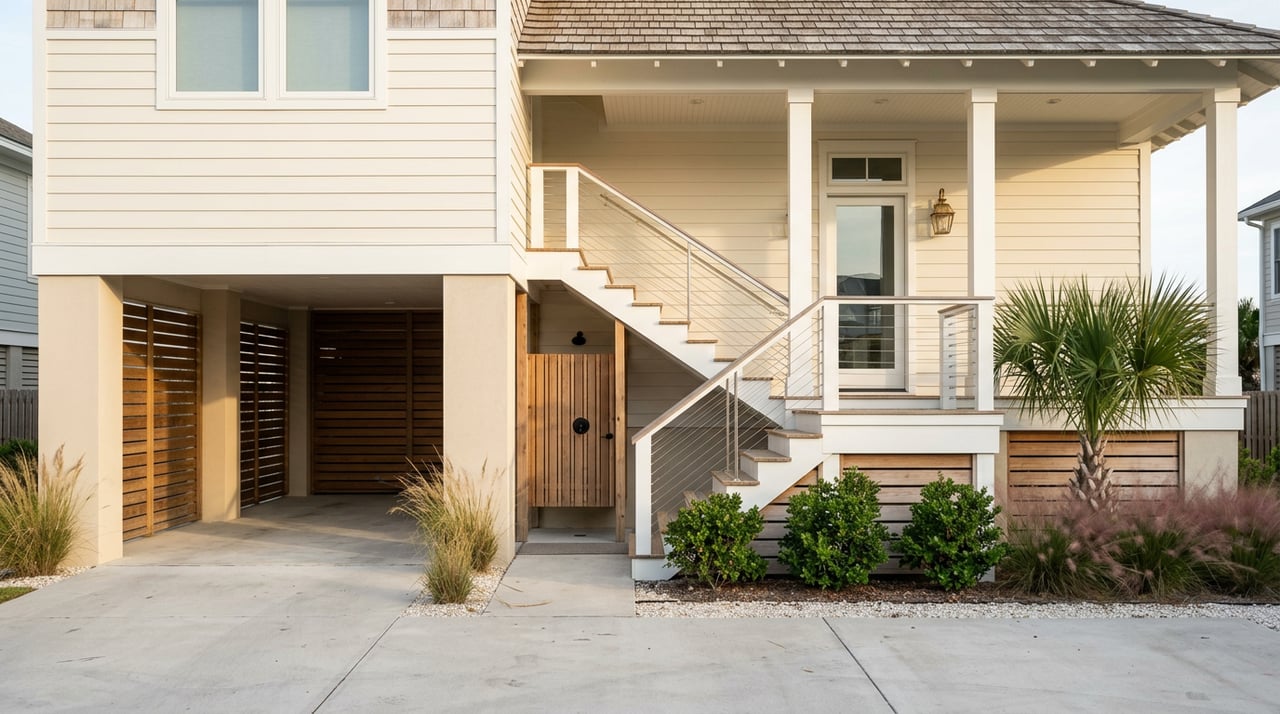
Amenities and layout matter. For family-heavy summer demand, think about flexible sleeping, beach gear storage, outdoor rinse stations, and simple parking. For couples and short stays in the shoulder seasons, emphasize walkability, porches, and bright interiors. Keep your minimum-stay policy aligned with your target guest profile and the calendar.
Rules, permits, and taxes you need to know
State law and local limits
North Carolina law limits local rental registration programs for residential properties. The statute in Chapter 160D restricts towns from requiring most blanket rental permits. You should still expect zoning, building, parking, and noise rules to apply. Read the relevant state provision on rental registration limits at the NC General Statutes site. The NC Court of Appeals confirmed these limits when it struck down Wilmington’s registration and lottery approach in 2022. You can review that opinion in Schroeder v. City of Wilmington.
Zoning, complaints, and HOA rules
Even without a townwide STR permit, municipalities can regulate through zoning, nuisance, parking, and noise codes. Enforcement is often complaint-driven. The bigger constraint can be private rules. HOA and condo covenants may prohibit or limit short stays, set minimum rental periods, or control parking and pets. Always secure and read the full covenants and condo master policy before you waive contingencies. For a sense of how HOA rules are presented, see an example owner packet like Carolina Surf HOA’s materials.
Taxes: occupancy and sales
Short-term rentals in Carolina Beach are subject to two main taxes. First, the local Room Occupancy Tax for beach communities is 6%, filed and paid monthly. Second, North Carolina sales tax applies to short stays in New Hanover County at a combined 7% rate. Confirm with each platform who collects what, since some sites collect state sales tax but not local occupancy tax. Register your property and review filing details through the county at New Hanover County Room Occupancy Tax.
Insurance, safety, and flood zones
Much of the coast sits in FEMA Special Flood Hazard Areas. If your parcel is in an AE or VE zone and you finance with a federally regulated lender, flood insurance will be required. Price flood and wind coverage early and budget for higher coastal premiums and percent-based hurricane deductibles. Check your parcel’s FEMA map and print the FIRM panel through the FEMA Flood Map Service Center. If you are converting a second home to paid guest use, make sure your policy covers short-term rental activity rather than only owner occupancy.
How to underwrite a rental-ready listing
Before you write an offer based on income, request documents that allow you to verify performance and costs. At minimum, ask for these items and review them line by line:
- Platform exports for the last 12 months from Airbnb, Vrbo, and any direct booking system. Rebuild monthly revenue from the CSV to verify ADR, occupied nights, and cancellations.
- 1099s and any owner tax returns that show rental income, plus New Hanover Room Occupancy Tax filings. Confirm that taxes were filed and paid for each month.
- Property management statements and channel mix. Note management fees, OTA commissions, cleaning fees, and average turnover costs.
- Operating expense schedule. Include utilities, internet, landscaping, HOA or condo dues, routine maintenance, insurance, platform and management fees, and reserves for capital items like roof or HVAC.
- Guest incident log and any insurance claims. Repeated noise complaints or damage can raise risk and insurance costs.
- Booking lead-time and calendar patterns. Identify reliance on long-lead summer weeks versus short-lead weekend demand to inform pricing and risk.
- HOA or condo restrictions and master insurance wording. Confirm there are no clauses that prohibit short stays or require long minimums.
- A comp set of 4 to 8 nearby listings with similar bedroom count and amenities. Compare ADR, occupancy, and RevPAR and note any gaps in condition or presentation.
If a seller will not provide verified 12-month platform files and tax filings, treat the pro forma as higher risk and model a conservative case.
Financing options to compare
Your loan choice depends on how you plan to use the property. Many investors use DSCR or other non-QM loans that underwrite the property based on income from trailing statements or a validated market report. These loans often require larger down payments and carry higher rates than primary-home loans, but they are widely used for STRs. Lenders will want platform statements or a third-party market report if you use rental income to qualify. For an overview of DSCR lending, review this summary from ClearHouse Lending.
You can also explore conventional loans when buying a true second home or an investment property. Expect different down payment and DTI rules. Regardless of loan type, factor in flood, wind, and hurricane coverage in your PITI estimate and budget a reserve for premiums and deductibles.
Offer structure in a seasonal market
Tourism markets reward clean offers that still protect your downside. Consider adding these clauses and timelines:
- Income verification contingency. Require the seller to deliver platform exports, bank-reconciled revenue, and county occupancy filings for the prior 12 months in CSV or PDF within a set number of days.
- HOA and condo document review. Make your approval contingent on covenants, bylaws, master insurance, and any meeting minutes that mention rental rules.
- Inspection and insurance window. Allow time to confirm FEMA flood zone, obtain quotes for flood and wind coverage, and cancel if reasonable coverage is unavailable.
- Occupancy tax compliance warranty. Ask the seller to warrant that occupancy taxes were filed and paid, and provide proof. Escrow holdbacks can cover audit risk.
- Booking and management transfer plan. Require a calendar export and a clear process to transition or release future reservations and any management contract.
- Closing timing around peak weeks. If you want day-one revenue, include a short operations plan in the contract for keys, codes, Wi-Fi, vendor contacts, and linens.
First steps checklist
Use this quick path to get from idea to offer with confidence:
- Pull a paid market report for your target block to confirm ADR and occupancy curves. Start with the Carolina Beach dashboard at Airbtics.
- Confirm the parcel’s FEMA flood zone and request a flood quote early through the FEMA MSC.
- Ask the seller for 12 months of platform exports, 1099s, and county occupancy tax filings. Reconcile to bank statements.
- Retrieve HOA or condo governing documents and confirm town and county zoning for the parcel.
- Speak with at least two local property managers for achievable ADR, realistic occupancy, and turnover logistics.
- Interview lenders that offer DSCR and conventional second-home loans. Ask what documents they accept to validate rental income. A DSCR overview is available from ClearHouse Lending.
- Build a 12-month reserve plan. Many operators target 3 to 6 months of PITI plus capital reserves for coastal replacements. See a practical overview of STR cost planning in this guide from Physician Tax Solutions.
Carolina Beach offers a compelling mix of coastal lifestyle and rental potential. With clear demand drivers, a state framework that limits townwide permit programs, and well-defined local taxes, you can invest with confidence if you do the homework. Focus on micro-location, verify income with real documents, price for seasonality, and protect your offer with the right contingencies.
If you are weighing two or three properties and want help with comps, flood and insurance checks, or offer strategy, connect with The Waller Team. Our local insight and concierge approach can help you buy the right place and launch a stress-tested rental plan.
FAQs
Are short-term rentals legal in Carolina Beach?
- North Carolina limits blanket rental registration programs, and the Schroeder case struck down Wilmington’s lottery system, but you still must follow zoning, safety, and noise rules and any private HOA or condo covenants.
What taxes do I pay on a Carolina Beach STR?
- Expect a 6% Room Occupancy Tax in New Hanover County and a 7% combined sales tax on short stays; confirm which taxes each platform collects and register to file monthly.
How seasonal is demand for Carolina Beach vacation rentals?
- Peak demand runs June through July with strong holiday weekends; market-level occupancy commonly sits in the low 60% range, and shoulder seasons can add revenue with active pricing.
What financing works best for STR purchases?
- Many investors use DSCR or other non-QM loans that consider property income, while some choose conventional loans for second homes; down payment and rates vary by loan type and use.
How do I check flood risk for a beach property?
- Look up the parcel on FEMA’s Flood Map Service Center to confirm the zone, then price NFIP flood and any wind or hurricane coverage before you waive contingencies.
What documents should I request to verify rental income?
- Ask for 12 months of platform exports, 1099s, county occupancy tax filings, management statements, and a calendar history so you can confirm ADR, occupied nights, and expenses.