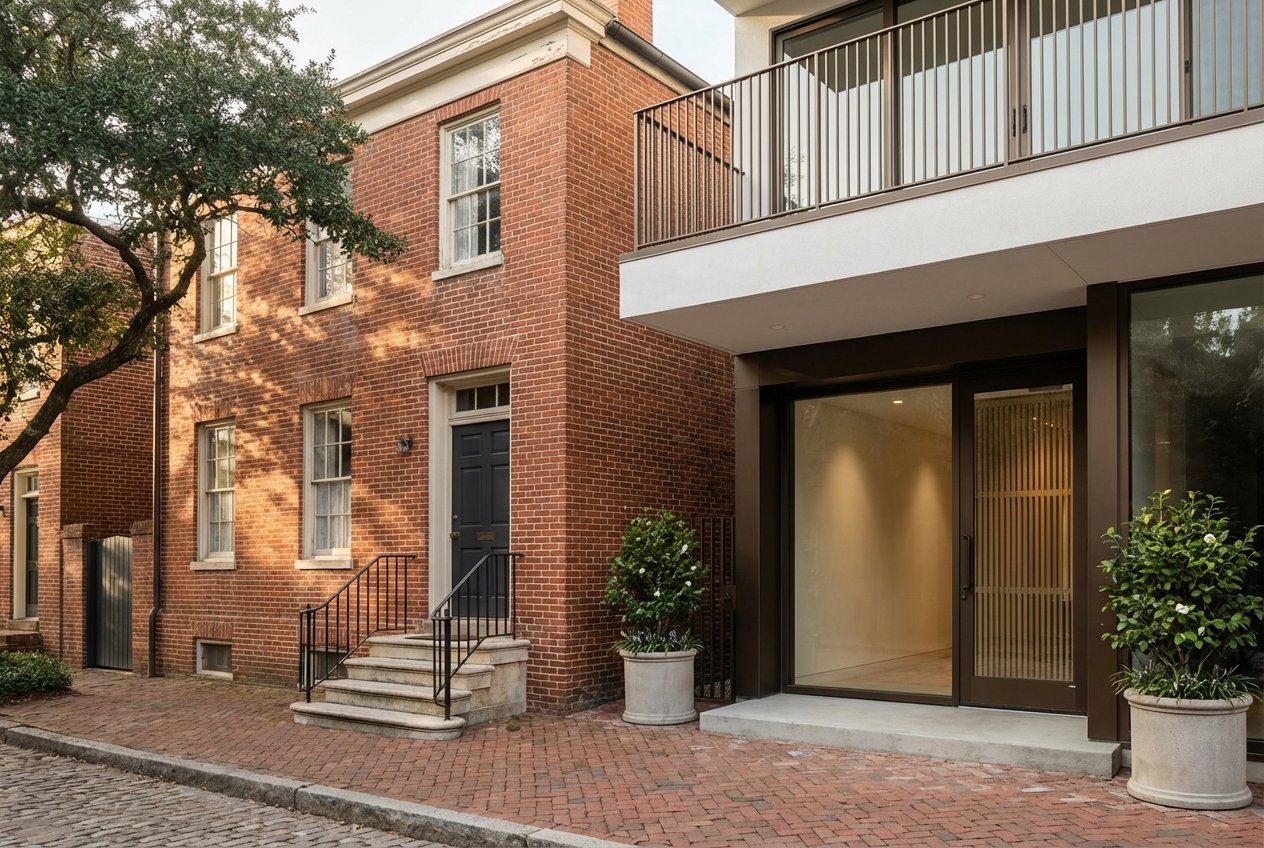
Love the energy of downtown Wilmington but not sure if a condo or a historic home fits your lifestyle best? You’re not alone. Many buyers weigh convenience, costs, character, and long-term value before deciding. In this guide, you’ll compare real numbers, day-to-day realities, and resale factors so you can choose with confidence. Let’s dive in.
Downtown market snapshot
Recent neighborhood snapshots place the median downtown sale price around $395k to $402k. By contrast, the Wilmington Historic District often posts a much higher median, near the upper six figures, with recent examples around $825k. Across the county, a typical home value sits in the mid $400k range. The split reflects how restored, larger historic homes can command premiums while downtown condos frequently trade at friendlier entry points.
Inventory moves differently, too. Downtown condos and lofts tend to list more frequently than large, historic single-family homes. Days on market can swing with seasonality and building or block desirability, so it pays to compare active and pending listings close to your target address.
What you’ll spend each month
Condos: HOA-driven costs and convenience
Downtown condo HOA dues commonly range about $200 to $600 per month, with higher fees in some luxury riverfront buildings. What you pay usually depends on the building’s age, amenities, insurance, utilities, and reserves. In many associations, dues help cover exterior and common-area maintenance, landscaping, trash or water in some buildings, master insurance for shared structures, and long-term reserves. For a clear breakdown, review the budget, reserve study, and meeting minutes. For a helpful primer on what HOA insurance and master policies typically include, see this overview of HOA coverage basics from SmartFinancial.
Inside your front door, you still handle routine upkeep, appliance repair, and in-unit systems like HVAC. Budget for an HO-6 condo insurance policy, any interior maintenance, and HOA dues. The tradeoff is straightforward: you pay recurring dues, but you outsource most exterior upkeep and enjoy a lock-and-leave lifestyle.
Historic homes: Character with higher maintenance
Older homes offer porch-front charm, original details, and more private outdoor space. They also tend to carry higher ongoing maintenance. A common rule of thumb is to set aside about 1 to 4 percent of the home’s value per year for repairs and upkeep, with older properties often trending toward the higher end. For a deeper look at maintenance budgeting, review this guidance on annual home maintenance costs from Bankrate.
Expect periodic capital projects: roof work, structural or foundation repairs, plumbing and electrical updates to modern standards, and exterior painting or window restoration. Period-appropriate materials and skilled trades can be pricier than off-the-shelf replacements, so build a contingency into your plan.
A quick way to compare
- Condo: Mortgage + taxes + HO-6 insurance + HOA dues. Exterior items are largely shared and planned through the HOA.
- Historic home: Mortgage + taxes + homeowner insurance + an annual maintenance reserve using the 1 to 4 percent guide. You control the timing but carry the responsibility.
Insurance, flood, and taxes
Flood zones and coastal risk
Parts of downtown and the riverfront intersect mapped FEMA Special Flood Hazard Areas. If a property is in an SFHA and you use a federally regulated mortgage, flood insurance is typically required. Always verify a property’s flood zone on the FEMA Flood Map Service Center, and review definitions and requirements in the NFIP terminology index.
Beyond the maps, state coastal planning and NOAA tools point to rising nuisance or tidal flooding risk along North Carolina’s coast. This long-term factor matters for both condos and historic homes near the river. Explore state hazard forecasts and adaptation resources through the NC Department of Environmental Quality.
Homeowner insurance trends
North Carolina adopted phased homeowners-insurance increases that took effect in mid-2025 and mid-2026, with larger pressure in some coastal territories. Downtown and waterfront-adjacent properties can see higher-than-average premiums. If you’re comparing a condo to a historic home, get insurance quotes as early as possible. For details, see the NC Department of Insurance summary of the negotiated rate changes announced Jan. 17, 2025, on the NCDOI site.
Property taxes
For FY 2025–26, New Hanover County lists an adopted property tax rate of 30.6 cents per $100 of assessed value. City and special district levies can affect the final bill for a specific address. You can review county budget materials and rate details via the New Hanover County site.
Walkability and parking
Downtown Wilmington is broadly walkable, especially around Front Street, the Riverwalk, and nearby dining and cultural venues. If you want everyday errands, galleries, and restaurants within a short stroll, both condos and historic homes in the core can deliver that experience.
Parking is a key difference to verify. The city supplies more than 1,000 metered spaces, multiple parking decks, and several lots, with posted hours and some free periods. Some residential streets have time limits or permit programs. Always confirm whether your condo includes a deeded or assigned parking spot, or whether a historic property has off-street parking. For a helpful overview of public parking options and enforcement windows, see this downtown parking summary.
Renovating in the Historic District
COA basics and design guidelines
If your property sits in a local historic district or overlay, the City of Wilmington requires a Certificate of Appropriateness for exterior changes. The Historic Preservation Commission reviews major work such as additions, demolition, and significant exterior alterations against the city’s design guidelines. Some minor items may qualify for administrative review. You’ll find the process and contacts on the city’s COA Major Works page.
The COA framework preserves neighborhood character, which supports long-term value, but it can also add time and cost. Plan for careful material choices, compatible design, and a permitting timeline that reflects the scope of work. If you know you want to rework porches, windows, or roofing, it helps to consult staff before you buy.
Incentives and planning
Some federal and state incentives exist for historic rehabilitation, but many apply to income-producing or certified projects. Whether an owner-occupied renovation qualifies depends on program rules and approvals. Before assuming credits, talk with the City’s preservation staff and the State Historic Preservation Office using contacts referenced on the city’s COA page.
Resale and buyer pools
Condos and lofts often attract buyers who prize location, easy living, and amenities. Resale performance is closely tied to building condition, the HOA’s financial health and reserves, and any rental or short-term rental restrictions. If you plan to sell in a few years, a well-run association with clear budgets and no looming special assessments can help your buyer pool and price stability.
Historic homes tend to appeal to purchasers who value architectural character, outdoor space, and larger footprints. That pool is narrower but often willing to pay premiums for prime parcels and thoughtful restorations. Conversely, homes with deferred maintenance or insensitive alterations can underperform at resale. Documentation of permitted work and COA approvals can boost confidence for future buyers.
How to decide: a quick checklist
- If you lean condo, request these before you offer:
- Current HOA budget and reserve study.
- Meeting minutes for the past 12 months and any special assessment history.
- Master insurance scope, what dues cover, parking allocation, and rental rules.
- If you lean historic home, line up:
- A thorough inspection of roof, foundation, and mechanicals.
- Records of permits and any prior COA approvals.
- A consultation with the City’s preservation staff about planned changes.
- For either path, complete these early:
- Pull FEMA flood maps for the parcel on the FEMA Map Service Center.
- Get homeowner and, if needed, flood insurance quotes.
- Estimate your total monthly cost: mortgage, taxes, insurance, plus HOA or a maintenance reserve using the 1 to 4 percent guide from Bankrate.
Which one fits you?
Choose a downtown condo if you value walkability, low exterior responsibility, and a simpler monthly rhythm. Review HOA health, confirm parking, and focus on buildings with strong reserves and clear maintenance plans.
Choose a historic home if character, privacy, and space matter most and you are comfortable managing maintenance and design approvals. Plan your renovation roadmap with the City’s guidelines and set a realistic annual reserve for upkeep.
When you are ready to compare specific buildings or blocks, lean on a local guide who knows the tradeoffs on each street and in each HOA. If you are also thinking about selling, you can tap our concierge marketing and neighborhood expertise to position your property for top-of-market results. Connect with The Waller Team to talk through options or request a Free Home Valuation.
FAQs
Do I need flood insurance for a home in downtown Wilmington?
- If the property is in a FEMA Special Flood Hazard Area and you finance with a federally regulated mortgage, flood insurance is typically required; verify your zone on the FEMA Map Service Center and review NFIP definitions in the terminology index.
What do downtown Wilmington condo HOA fees usually cover?
- Dues commonly fund exterior and common-area maintenance, landscaping, some utilities in certain buildings, a master insurance policy for shared structures, and reserves; see this plain-language overview of HOA and master policies from SmartFinancial.
How long does a Certificate of Appropriateness take in Wilmington’s Historic District?
- Timelines vary by scope: minor work can be handled administratively while major exterior changes go to the Historic Preservation Commission; review process details and contacts on the city’s COA Major Works page.
What is the current New Hanover County property tax rate?
- For FY 2025–26, the adopted county rate is 30.6 cents per $100 of assessed value; city and special district levies can add to your total; see budget materials on the New Hanover County site.
Is parking included with most downtown Wilmington condos?
- It depends on the building; some units include deeded or assigned spaces while others rely on public decks and on-street options; for public parking and enforcement windows, see the city’s visitor parking overview.
Are there tax credits for renovating a historic home in Wilmington?
- Many federal and state incentives target income-producing or certified rehabilitation projects; owner-occupied eligibility varies, so consult the City’s preservation staff and SHPO via the COA page before planning your budget.