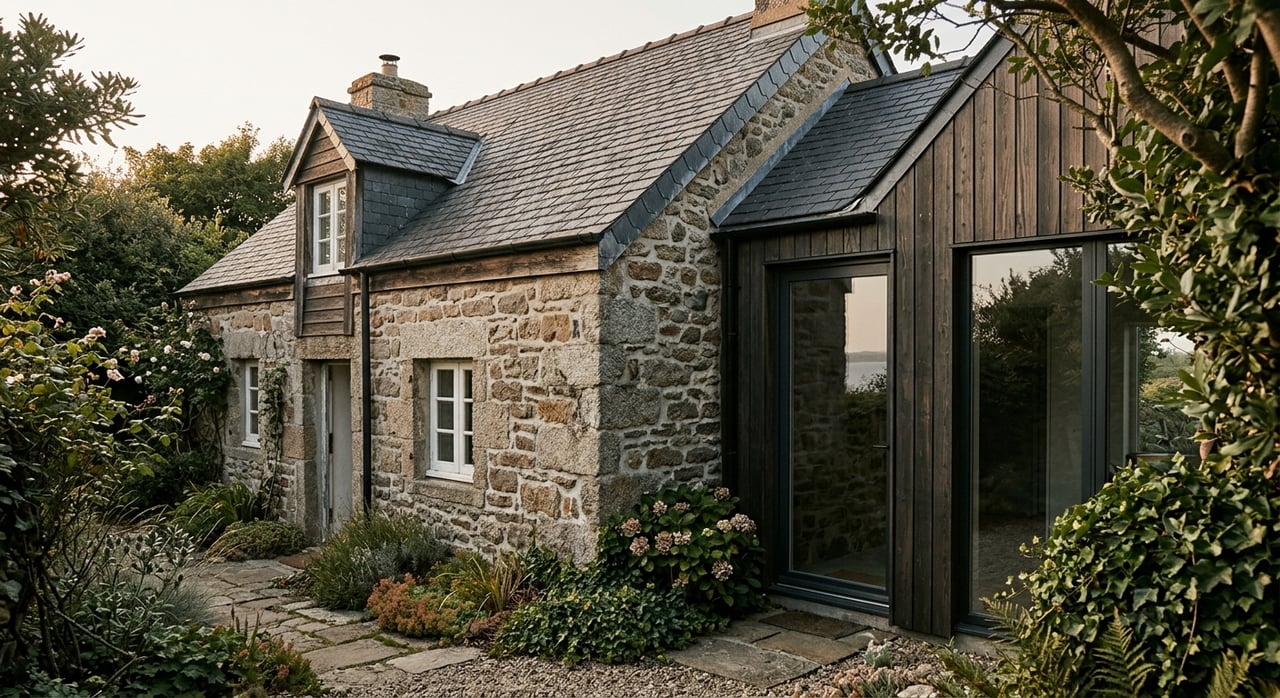
Trying to choose between a historic Southport cottage and a newer coastal home? It is a great problem to have, but it can still feel tricky when both options offer a very different version of coastal living. If you want to know how these homes compare in Southport, what tradeoffs matter most, and what to double-check before you buy, you are in the right place. Let’s dive in.
Southport offers two distinct lifestyles
Southport sits where the Cape Fear River meets the Atlantic Ocean, and that setting shapes how many buyers experience the town. The city highlights its waterfront location, maritime history, and the character of its downtown core.
Around downtown and the Yacht Basin, you will find a strong mix of dining, coffee spots, shopping, galleries, and boat-oriented services. Waterfront Park on Bay Street also plays a big role in daily life and seasonal events, including summer markets that bring people into the heart of town.
When you compare a historic cottage with a newer coastal home, you are not just comparing age or style. You are also comparing how you want to live in Southport day to day.
Why buyers love historic cottages
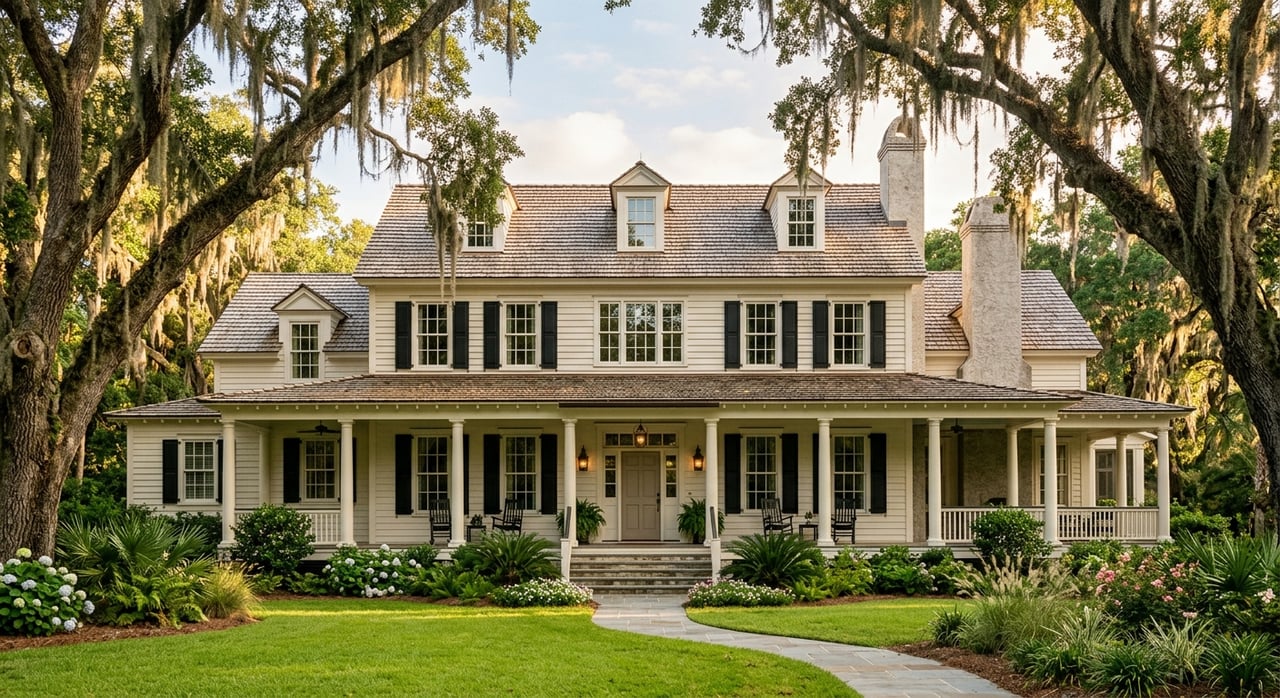
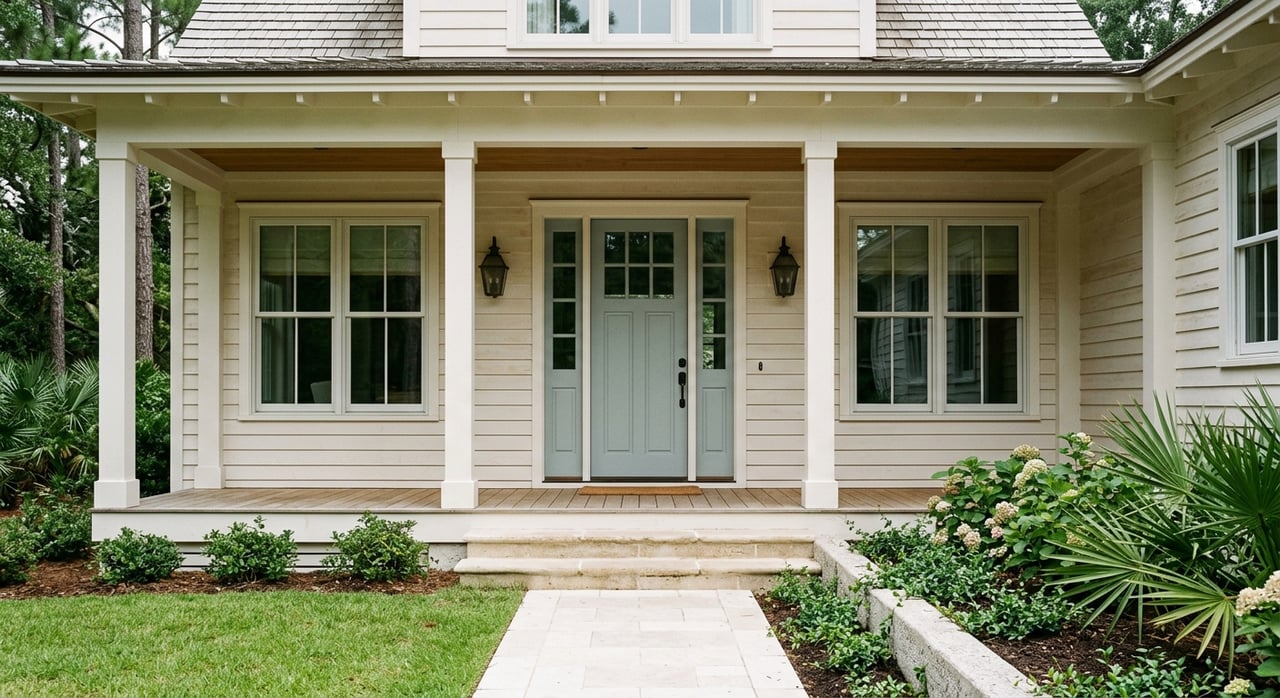
Historic cottages in Southport often appeal to buyers who want charm, proximity to downtown, and a porch-centered lifestyle. The housing stock in the historic area is varied, but the city’s designation materials describe many compact, one-story frame homes with porches, metal roofs, bay windows, wood siding, rear accessory buildings, and later additions.
These homes often feel closely tied to the street and the surrounding block. That connection is part of their appeal, especially if you picture yourself enjoying older architecture and being near Waterfront Park and the downtown business core.
What makes the historic area unique
The Southport Historic District was listed on the National Register in 1980. The city also explains that a local historic district overlay has been proposed, and that distinction matters because the two are not the same.
National Register status is mostly honorary. A local historic district, by contrast, would require a Certificate of Appropriateness for exterior work and allow city staff or the Historic Preservation Commission to review changes.
What ownership can feel like
If you love older homes, a Southport cottage may check many emotional boxes right away. You may get architectural details, a strong sense of place, and a house that feels woven into the town’s older streetscape.
At the same time, historic standards tend to emphasize preserving the relationship between the house, the lot, neighboring buildings, and the public right-of-way. Because additions are often pushed to the side or rear, these homes may offer less flexibility in how outdoor space and future exterior changes are handled.
What to know about maintenance and approvals
Historic homes usually ask more of you over time. Southport’s standards focus on preserving and repairing features like roofs, windows, doors, porches, foundations, siding, fences, and outbuildings.
When historic materials are beyond repair, the standards call for in-kind replacement. That means exterior work can involve more planning than you might expect, even for projects that seem modest at first glance.
If a property falls within a local historic district, exterior work needs Certificate of Appropriateness review. For buyers, that is not necessarily a drawback, but it is something to understand before you make an offer or start budgeting for updates.
Why buyers choose newer coastal homes
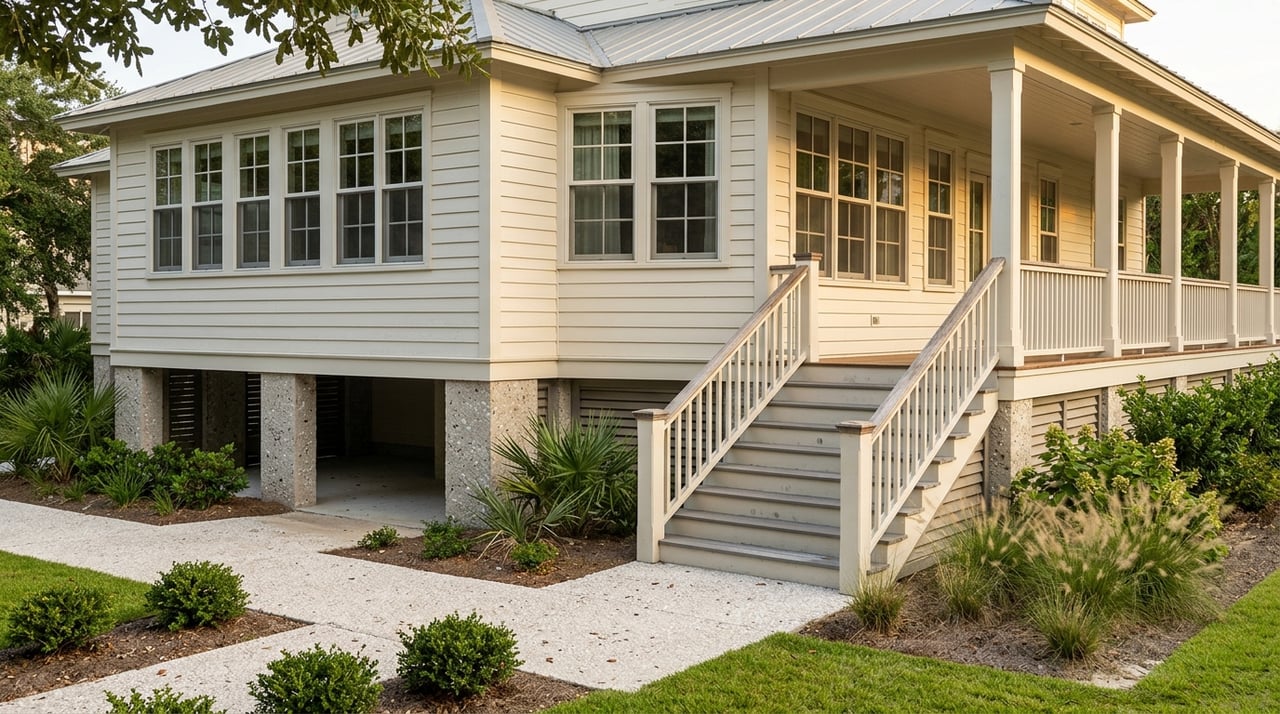
A newer coastal home in or around Southport offers a different kind of value. For many buyers, the draw is simple: a more modern layout, lower day-to-day maintenance, and fewer preservation-related constraints.
That can mean better alignment with the way you live now. Open gathering spaces, newer systems, and a more current floor plan often make a newer home feel easier to manage, especially if this will be a second home or a property you want to enjoy with less upkeep.
New construction can still fit Southport
Newer does not have to mean out of place. The city says new buildings can be allowed in the local historic district if they are compatible with the district while still remaining distinct.
The city’s designation report even includes a recent example of new construction with a larger three-story form and more contemporary materials. So if you want newer construction, you may still find options that respect Southport’s broader setting.
Coastal due diligence still matters
A newer home may reduce certain maintenance concerns, but it does not remove coastal due diligence. Brunswick County is in North Carolina’s CAMA coastal region, and single-family homes require CAMA minor permits.
The Division of Coastal Management evaluates projects under Coastal Resources Commission rules and local land-use plans. That means any newer home, addition, or site improvement should come with a clear permitting story.
Southport’s permitting page also shows active permit listings, fee schedules, and even a fee for failure to obtain final inspection. For you as a buyer, that underscores the importance of confirming that permits were pulled when needed and that final inspections were completed.
Flood and wind questions apply to both
Whether you choose a cottage or a newer home, flood and wind review should be part of your decision. North Carolina’s Department of Insurance says standard homeowners insurance does not cover flood damage.
The state also notes that flood coverage can involve a waiting period. In coastal areas, that timing can matter if you are trying to line up insurance close to closing.
The Department of Insurance also says coastal homeowners may qualify for mitigation credits if a home has qualifying features such as a FORTIFIED Roof. On a newer home, this can be an especially useful question to ask early.
How to compare the two options
If you are weighing these choices, it helps to think in terms of priorities rather than price alone. In Southport, the right answer often comes down to whether you want character and downtown connection or easier maintenance and a more modern setup.
Here is a simple way to frame it:
| Option | Best fit if you want | Main tradeoff |
|---|---|---|
| Historic cottage | Walkability, older architecture, porches, downtown lifestyle | More maintenance and possible exterior review constraints |
| New coastal home | Modern layout, less day-to-day upkeep, fewer preservation constraints | Still requires careful flood, wind, and permit due diligence |
What to inspect during due diligence
North Carolina’s due diligence period is your main investigation window. The North Carolina Real Estate Commission says buyers commonly use this time for home, pest, and septic inspections, plus a survey, appraisal, title search, loan qualification, and repair negotiation.
The Commission also says licensed home inspectors must provide a written contract and inspect under the state standard of practice. In other words, due diligence is not just a formality. It is your chance to verify what you are really buying.
Historic cottage inspection checklist
For an older Southport cottage, your inspection focus may need to go beyond the basics. A practical checklist often includes:
- Moisture intrusion
- Roof condition
- Older wiring or plumbing updates
- Foundation movement
- Termites or other pests
- Drainage concerns
- Flood zone status
- Any elevation certificate on file
These questions matter because older materials, long-term wear, and coastal conditions can all affect how a historic home performs over time.
Newer home inspection checklist
With a newer home, the emphasis often shifts from historic materials to workmanship and documentation. Key questions include:
- Were permits pulled where required?
- Were inspections completed and closed out?
- Is drainage and grading working properly?
- Were porches, docks, or site features approved where coastal rules apply?
The North Carolina Real Estate Commission also advises buyers not to rely only on a seller-provided inspection report. It is often wise to bring in your own inspector and add specialized inspections if the property calls for them.
Questions to ask before you choose
Before you move forward with either option, a few local questions can help you avoid surprises later. These are especially relevant in Southport because of the mix of historic review, coastal permitting, and flood-related planning.
Ask for confirmation on:
- Whether the parcel is in the proposed local historic district
- Flood zone and insurance implications
- Permit and inspection records
- Any needed Certificate of Appropriateness review
- Any needed CAMA approvals or final inspection sign-off
These details may not be the exciting part of home shopping, but they often shape how smooth ownership feels after closing.
Which Southport home is right for you?
A historic Southport cottage is often the better fit if you want walkability, older architecture, front porch appeal, and easy access to downtown life near Waterfront Park. A newer coastal home is often the better fit if you want a modern floor plan, less maintenance, and fewer preservation constraints while still enjoying the Southport setting.
Neither choice is automatically better. The best fit is the one that matches how you plan to live, maintain the property, and navigate coastal ownership over time.
If you want help comparing Southport properties with a clear eye on lifestyle, permitting, and coastal due diligence, The Waller Team is here to guide you with local insight and concierge-level support.
FAQs
What is the difference between National Register status and local historic district status in Southport?
- National Register status is mostly honorary, while local historic district status can require Certificate of Appropriateness review for exterior work.
What makes a historic cottage in Southport appealing to buyers?
- Many buyers are drawn to walkability, porch-centered design, older architecture, and proximity to downtown Southport and Waterfront Park.
What are common maintenance concerns with a historic Southport cottage?
- Buyers often pay close attention to roofs, windows, doors, porches, siding, foundations, pests, drainage, and whether older materials need repair or in-kind replacement.
What are the benefits of a newer coastal home in Southport?
- A newer home often offers a more modern layout, lower day-to-day maintenance, and fewer preservation-related constraints.
What permits matter when buying a newer home in Brunswick County?
- Buyers should confirm whether required permits were pulled, inspections were completed, and any CAMA-related approvals or final inspection sign-off were properly handled.
Does homeowners insurance cover flood damage in coastal North Carolina?
- No. North Carolina’s Department of Insurance says standard homeowners insurance does not cover flood damage, so buyers should review flood insurance needs early.
What should buyers do during the North Carolina due diligence period?
- Buyers commonly use due diligence for inspections, surveys, appraisal, title review, loan qualification, and repair negotiations, along with any specialized checks the property may need.