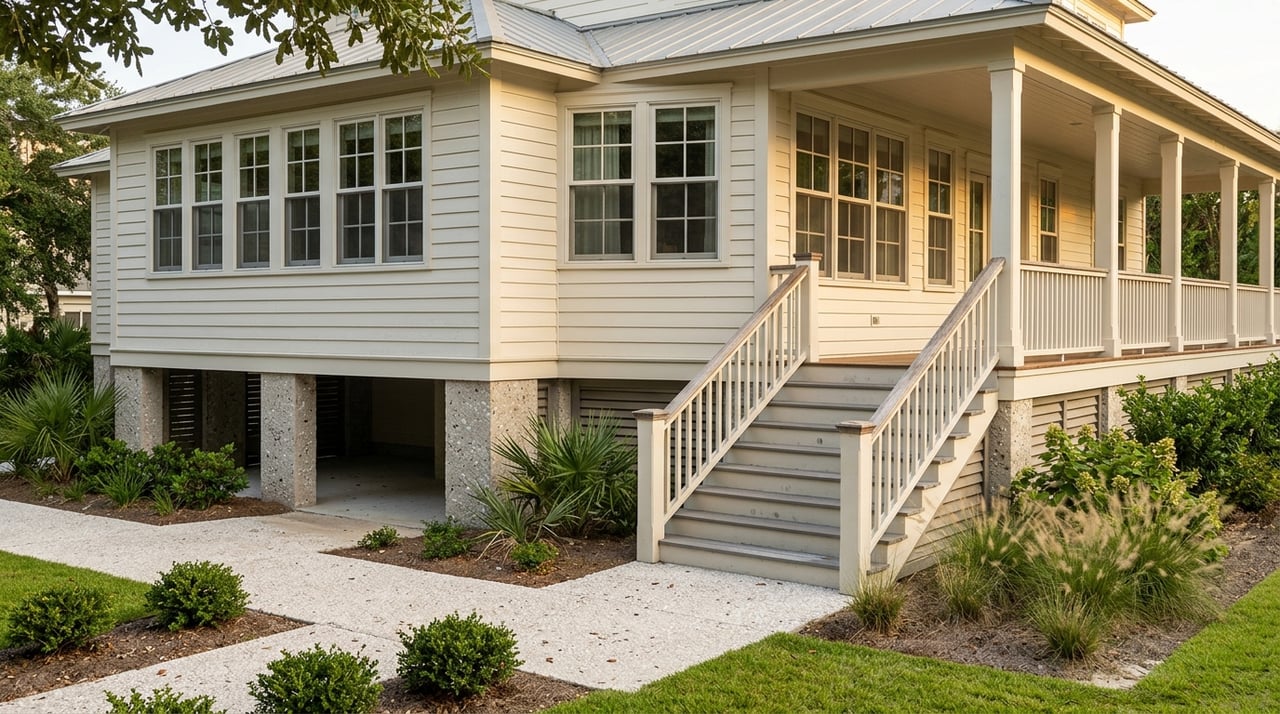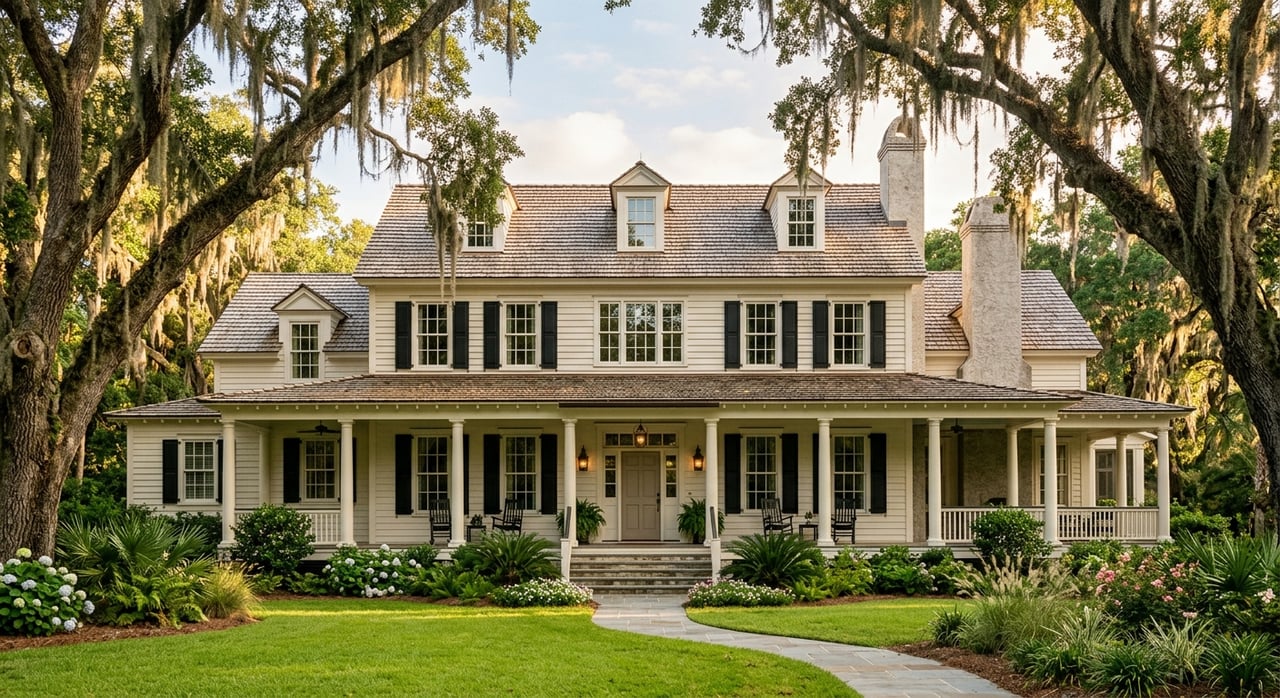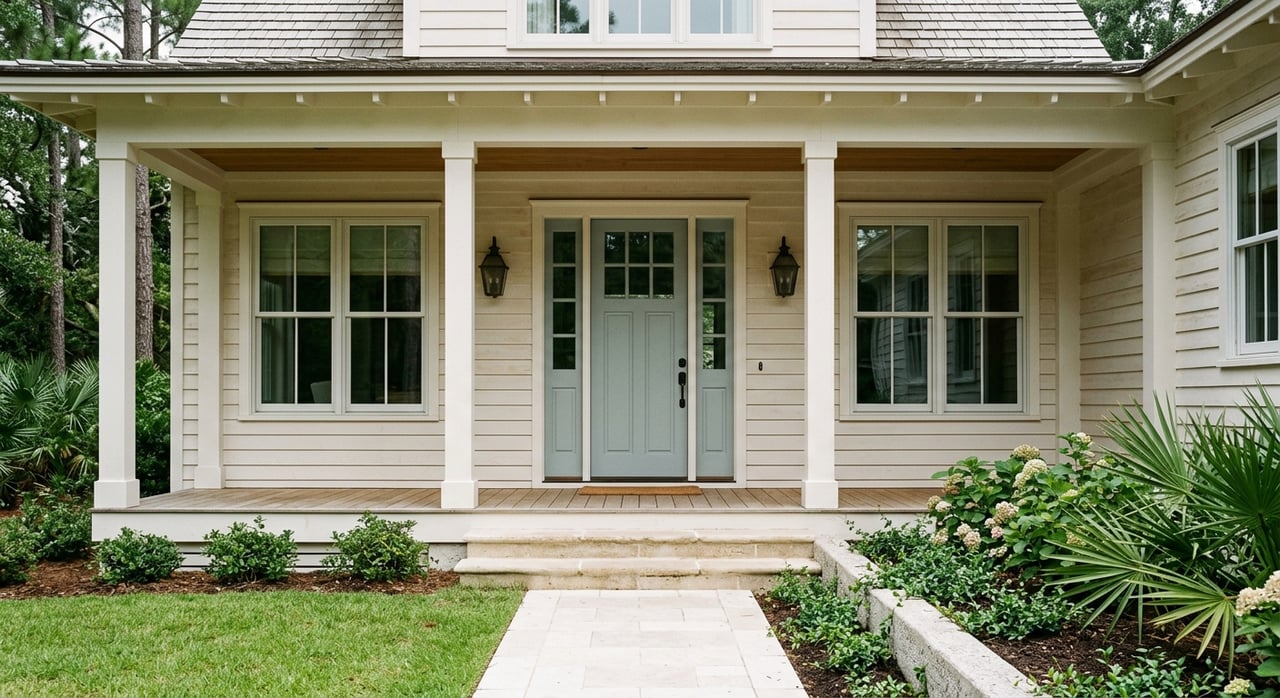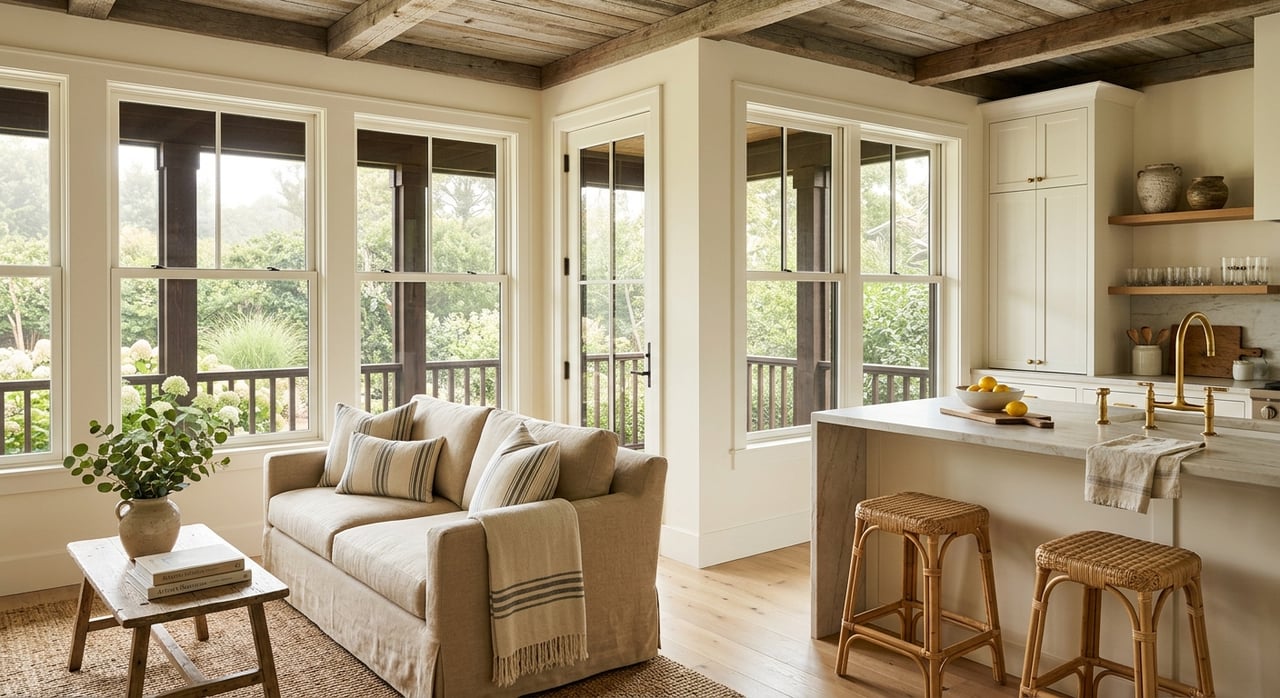
Buying a second home in Wrightsville Beach can feel exciting right up until the practical questions show up. Will the property work for your own beach getaways, and will it also support reliable rental income when you are not using it? If you want both lifestyle and financial upside, the right choice usually comes down to more than views and finishes. You need to understand zoning, flood exposure, access, parking, and what the current rental market actually rewards. Let’s dive in.
Why Wrightsville Beach draws second-home buyers
Wrightsville Beach offers the kind of coastal lifestyle many buyers picture when they start searching for a second home. It is a barrier-island market with year-round appeal tied to watersports, wellness activities, private island excursions, shopping, and dining. That broader appeal matters if you want a home you can enjoy personally while also appealing to guests in more than one season.
The climate also helps explain why this market stands out. Average highs are about 74°F in April and 76°F in October, compared with roughly 87°F to 90°F in June through August. That points to strong demand in warmer months, while shoulder seasons can still be attractive for owner use and guest stays.
Start with legal fit first
A beautiful property is not automatically a smart second-home purchase if your goal includes rental income. In Wrightsville Beach, the town’s zoning framework makes legal use a core part of the buying decision. Before you fall in love with a home, you want to confirm that the parcel, building type, and governing documents support how you plan to use it.
The town’s code centers on R-1 single-family and R-2 medium-density residential districts. R-1 is the single-family district, while R-2 specifically contemplates duplexes and additional dwellings on larger lots. The permitted-use table also shows that single-family residences and duplexes fit standard residential use more directly than lodging formats tied to more limited commercial or special-use settings.
That is why many buyers looking for personal use plus income potential are best served by a legally permitted whole-home property. In this market, legal clarity often matters more than chasing a home with the most dramatic beach style. A property that fits the zoning framework can give you a much stronger ownership experience over time.
Review private rules too
Town zoning is only one layer of the decision. The North Carolina Real Estate Commission notes that flood zone status, restrictive covenants, homeowner associations, and zoning can all be material facts for a buyer.
In practical terms, that means you should review the deed, condo documents, HOA rules, and any resale disclosure packet before assuming a property can be rented the way you want. Private restrictions can be more limiting than the broader market suggests. If a home looks perfect on paper but the governing documents narrow your options, that can change the investment picture quickly.
What the rental market looks like now
If you are shopping with income potential in mind, it helps to know what the current vacation-rental inventory actually looks like. AirDNA’s public snapshot for Wrightsville Beach shows 721 active listings, and all are entire-home rentals. That is an important signal for second-home buyers because it points to strong alignment around whole-home use rather than highly fragmented lodging formats.
The same snapshot shows that 3-bedroom properties make up the largest share of listings at 35%. They are followed by 1-bedroom homes at 22%, 2-bedroom homes at 17%, 4-bedroom homes at 14%, and 5+ bedroom properties at 12%.
That mix suggests something important for your search. In Wrightsville Beach, flexible, family-friendly layouts appear to be the market’s workhorse product. A 3-bedroom whole-home layout may sit closer to the center of demand than a highly specialized floor plan.
Key performance numbers to understand
AirDNA estimates annual revenue at $60.8K, occupancy at 57%, and average daily rate at $566.90 for the market. It also reports year-over-year gains of 3% in revenue, 4% in occupancy, 3% in ADR, and 6% in RevPAR, while active listings are up 8% year over year.
These figures do not guarantee how any one property will perform, but they do provide useful context. They suggest a market with meaningful income potential, steady guest demand, and growing competition. For you as a buyer, that means property selection matters even more.
AirDNA also assigns Wrightsville Beach a seasonality score of 68. That supports the idea that demand here is not flat across the year, so your personal-use calendar, rental expectations, and holding costs should all be planned with seasonal swings in mind.
Why layout matters more than square footage
Many buyers start by comparing homes based on price per square foot or overall size. In Wrightsville Beach, that approach can miss what matters most for rental readiness. Because the market is concentrated in whole-home rentals and the 3-bedroom segment is the largest, bedroom count and layout deserve close attention.
A practical layout can make a home easier to enjoy yourself and easier to market to guests. If your goal is balanced personal use and income potential, look for a home that offers flexible sleeping arrangements, comfortable common areas, and a setup that feels easy for short stays.
The current amenity mix also gives you a strong baseline. Internet and wireless internet appear in 100% of listings in the public snapshot. Air conditioning appears in 99%, kitchens in 97%, and parking in 95%.
That tells you what guests already expect. In many cases, it makes more sense to prioritize dependable HVAC, durable low-maintenance finishes, kitchen functionality, and parking over highly personalized upgrades that may not move the needle on performance.
Beach access and parking can shape demand
At Wrightsville Beach, convenience is part of the value equation. The town maintains 44 designated public beach access locations, including 7 ADA-accessible ocean access points, and some access points include parking and restrooms. For a second-home buyer, that means proximity to usable access is not just a lifestyle perk. It can affect how often you use the home and how attractive it may feel to guests.
Parking also deserves special attention. The town uses structured parking rules, including residential permits and weekly or daily passes. Because of that, on-site parking can materially improve convenience for both owners and renters.
When you compare properties, ask simple questions that have real-world impact:
- How easy is it to reach public beach access?
- Is on-site parking available and practical?
- Will guests need to rely on paid public parking or permits?
- Does the home’s location make loading in, unloading, and short stays easier?
Small convenience factors can have an outsized effect in a coastal market where guests value ease as much as aesthetics.
Flood risk is part of the ownership model
Wrightsville Beach is not a market where flood exposure sits in the background. The town states that the entirety of Wrightsville Beach is located in a designated flood hazard area and that properties are in a Special Flood Hazard Area. It also notes that flood protection requires a separate flood policy and that new policies have a 30-day waiting period before coverage begins.
For second-home buyers, this is a core due diligence item. Flood insurance, storm exposure, and long-term resilience should be part of your budget and purchase strategy from the start. Because the town sits between the Atlantic Ocean and the Intracoastal Waterway, surge and storm-tide exposure are simply part of owning property here.
Renovation plans need extra care
If you are buying with the idea of updating the property over time, flood rules matter beyond insurance. The town says substantial improvement is measured at 50% or more of the structure’s assessed tax value over a five-year period.
That threshold can affect renovation decisions, timelines, and costs. If you are considering a property with deferred maintenance or major remodeling potential, you will want to understand how those rules may shape the project before you buy.
Know the tax picture before you rely on income
Rental income projections should always be paired with a realistic review of taxes and reporting obligations. In Wrightsville Beach, New Hanover County states that short-term accommodations are subject to a 6% room occupancy tax, and monthly reports are due by the 20th day after the reporting month.
The North Carolina Department of Revenue also says accommodation receipts are subject to the general State and applicable local or transit sales and use tax, plus any local occupancy tax imposed by a city or county. Depending on how often and how the property is rented, certain limited exemptions may apply, including a private residence or similar accommodation rented for fewer than 15 days in a calendar year, unless the rental is made by an accommodation facilitator, and accommodations supplied to the same person for 90 or more continuous days.
For federal income tax purposes, rental income generally must be reported on your tax return. The smartest move is to understand your likely setup before closing so you can evaluate the property based on realistic net performance, not just headline revenue.
A practical checklist for buyers
If you are choosing a Wrightsville Beach second home with income potential, keep your search focused on the factors most likely to affect ownership and performance.
What to confirm before you buy
- Zoning and permitted use for the specific parcel
- HOA, condo, or covenant restrictions
- Flood zone details and flood insurance timing
- On-site parking and guest convenience
- Proximity to public beach access
- Bedroom count and functional layout
- Past occupancy, ADR, RevPAR, and annual revenue data if available
- Minimum-stay patterns and seasonality expectations
- Renovation limitations tied to flood rules
- Occupancy and sales tax obligations
In many cases, the strongest fit will be a property that combines legal clarity, flood awareness, usable parking, easy beach access, and a layout that matches the local whole-home rental profile. That combination can support both better personal enjoyment and a more dependable rental strategy.
If you want help evaluating second-home options in Wrightsville Beach, The Waller Team brings deep local knowledge, concierge-level guidance, and hands-on support for buyers looking for the right balance of lifestyle and income potential.
FAQs
What property type often works best for a Wrightsville Beach second home with income potential?
- A legally permitted whole-home property is often the most practical fit, especially because the local short-term rental inventory is dominated by entire-home listings.
What bedroom count is most common in the Wrightsville Beach rental market?
- AirDNA’s public snapshot shows 3-bedroom properties are the largest segment of active listings at 35%.
What rental metrics should you review for a Wrightsville Beach second home?
- Focus on occupancy rate, average daily rate, RevPAR, annual revenue, minimum-stay rules, bedroom count, and platform mix.
What should you check besides zoning for a Wrightsville Beach rental-ready home?
- You should also review restrictive covenants, HOA or condo documents, deed restrictions, flood zone status, and resale disclosures.
Why does parking matter when choosing a second home in Wrightsville Beach?
- The town uses structured parking rules, so on-site parking can make the property more convenient for you and for guests.
Is flood insurance a major consideration for Wrightsville Beach buyers?
- Yes. The town says all properties are in a Special Flood Hazard Area, and separate flood coverage is required for flood protection.
Are short-term rentals in Wrightsville Beach subject to local taxes?
- Yes. New Hanover County states short-term accommodations are subject to a 6% room occupancy tax, and North Carolina also applies state and applicable local sales and use tax to accommodation receipts.
How should you think about seasonality in the Wrightsville Beach rental market?
- AirDNA gives the market a seasonality score of 68, which suggests meaningful seasonal swings rather than uniform year-round demand.